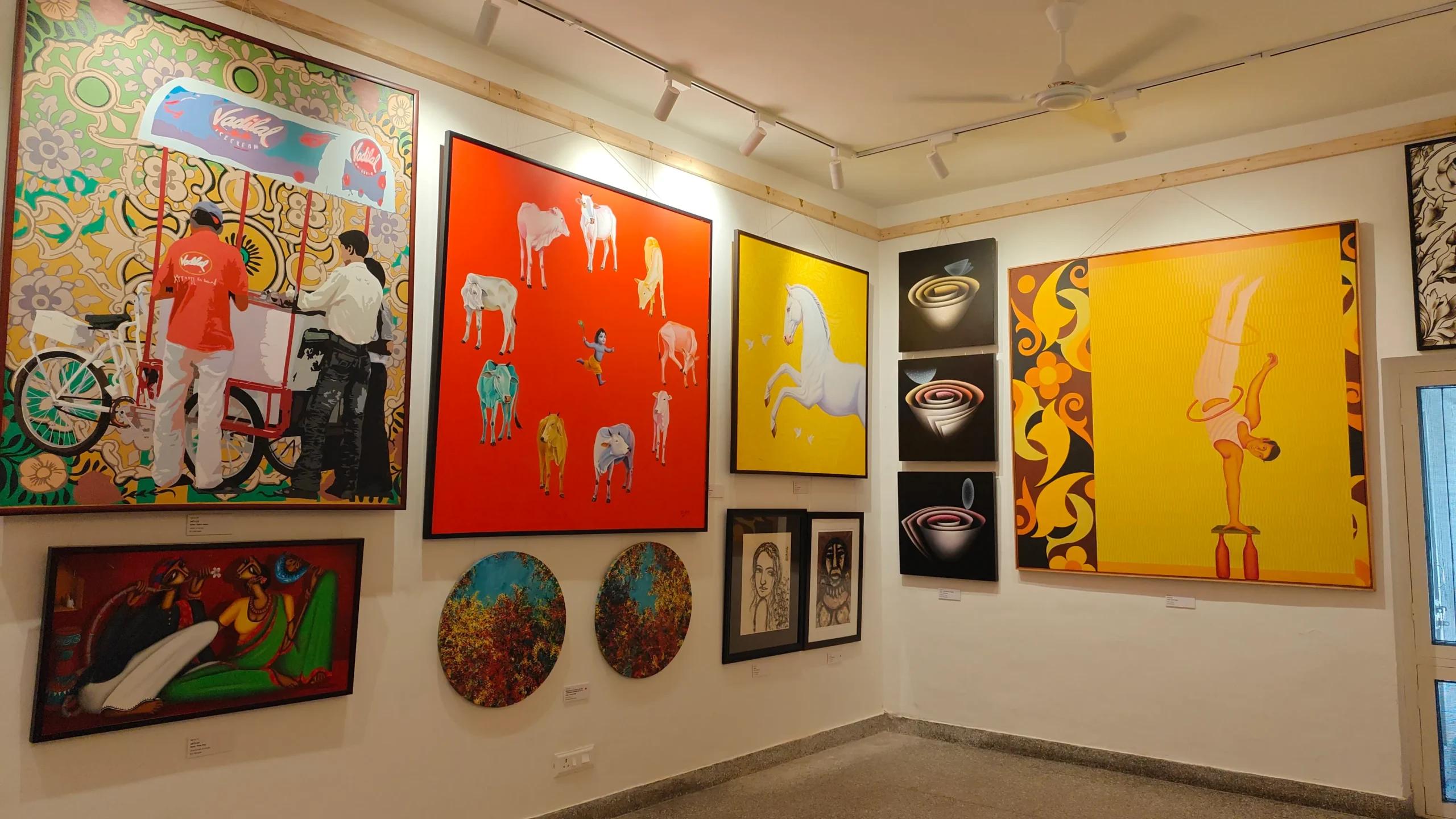
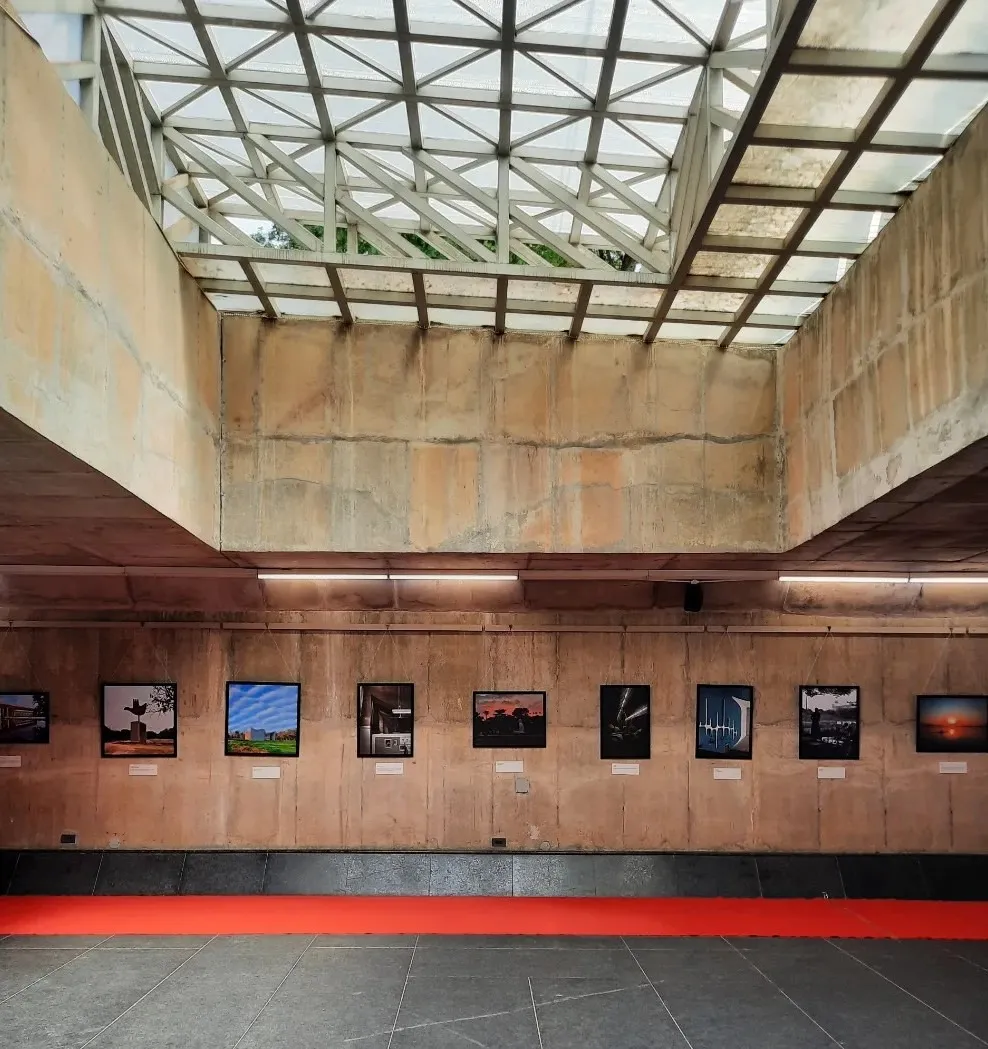
The physical design of an exhibition plays a significant role in how people experience art. Factors such as lighting, wall colours, room size, spacing between artworks, and even the direction visitors walk all influence emotional responses.
Soft lighting and spacious galleries often encourage calm observation, while dramatic lighting or enclosed spaces can create intensity and focus. Large-scale artworks may inspire awe, whereas smaller, intimate pieces invite quiet contemplation.
The environment becomes part of the artwork itself, helping viewers slow down, notice the small details, and immerse themselves fully in the experience.
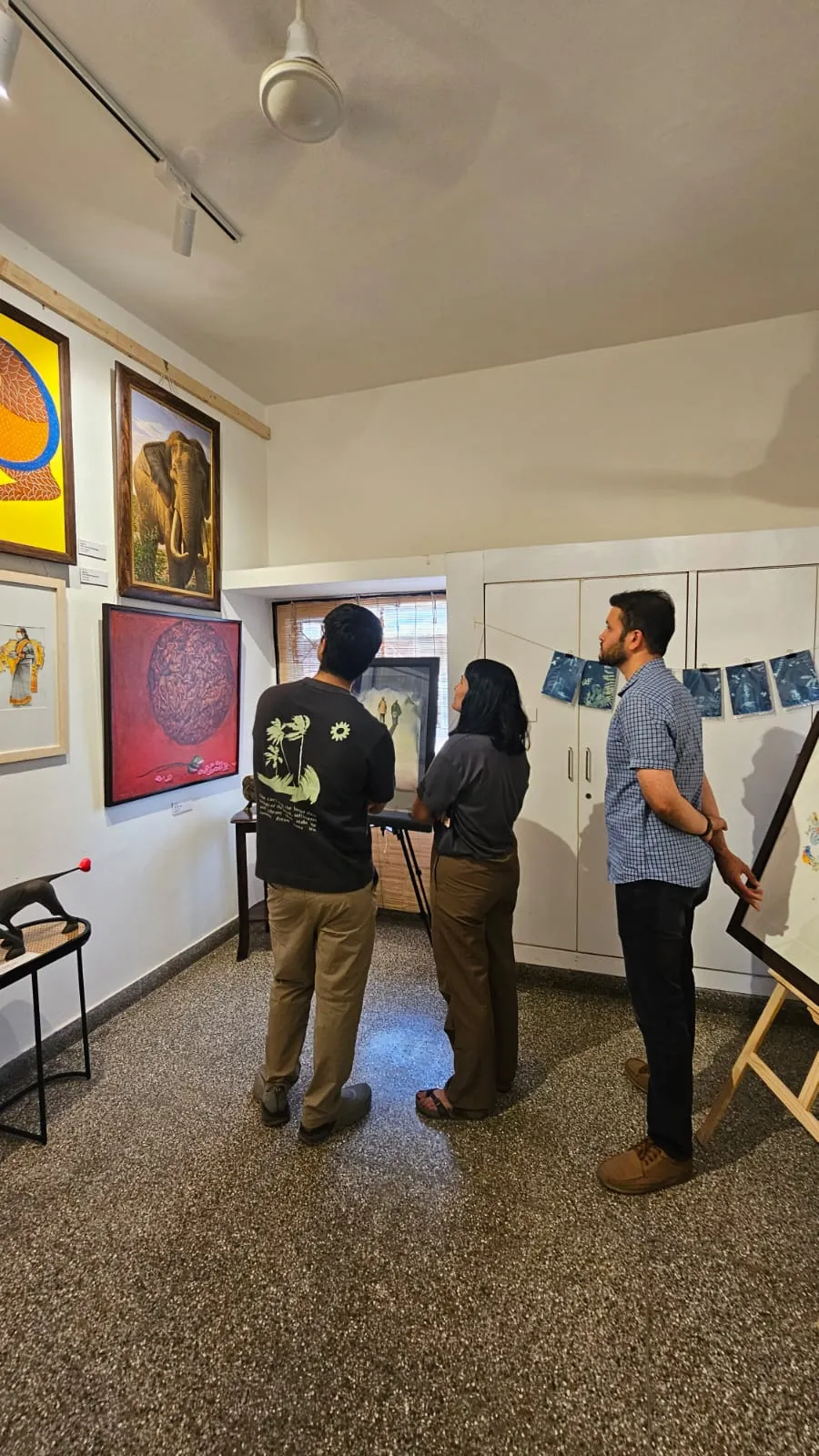
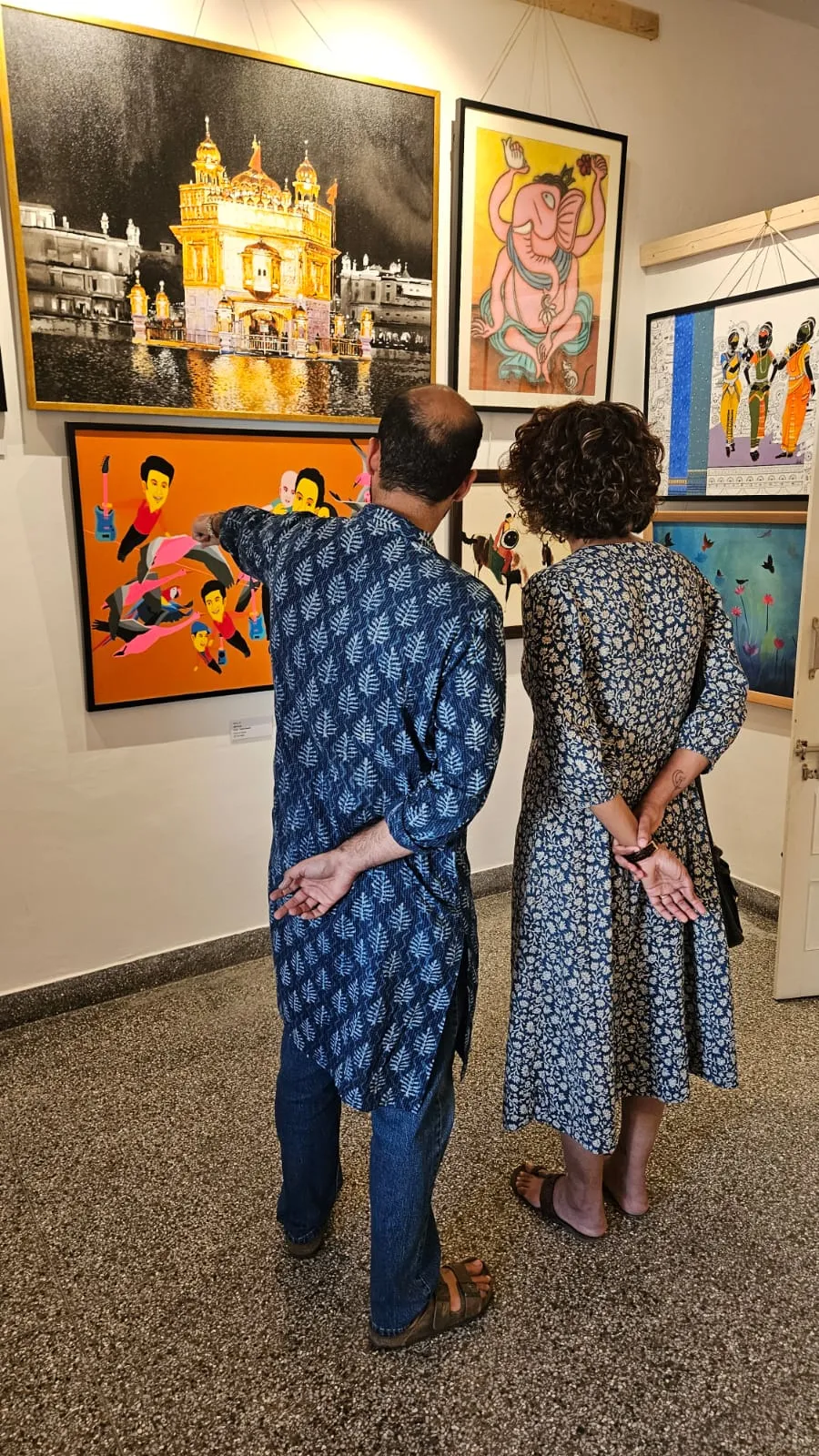
No two visitors experience an exhibition in the same way. Personal memories, cultural backgrounds, and life experiences influence how people interpret each artwork.
A portrait may remind one visitor of a loved one, while another may focus on its symbolism or artistic technique. “An abstract painting might evoke completely different emotions for different viewers, yet both interpretations are equally valid. This openness is one of art’s greatest strengths. Exhibitions encourage visitors to bring their own perspectives, making each emotional journey deeply personal.
(Prelude, Mahesh Singh, 32 X 32 inches, Oil on canvas)
The impact of an exhibition often extends beyond the gallery walls. Visitors frequently leave discussing favourite artworks, reflecting on unexpected emotions, or seeing familiar subjects from a new perspective. Interactive installations, thematic exhibitions, and carefully curated collections create memorable experiences by inviting active participation rather than passive observation. Instead of simply looking at art, visitors become part of an unfolding narrative. These lasting impressions are what transform exhibitions into meaningful cultural experiences rather than temporary displays.
Why Emotional Engagement Matters
When people form emotional connections with art, they are more likely to remember the exhibition and return for future experiences. Emotional engagement also encourages conversations about creativity, history, culture, and contemporary issues, making galleries important spaces for learning and dialogue. Whether featuring traditional paintings, contemporary installations, or mixed-media works, thoughtfully curated exhibitions demonstrate that “art is not only something to be seen but also something to be felt”.
Conclusion
Exhibitions create emotional journeys by combining thoughtful curation, purposeful design, and the universal language of art. Every element, from the selection of artworks to the gallery’s layout, works together to guide visitors through moments of curiosity, reflection, and inspiration.
While each person experiences an exhibition differently, the opportunity to form a personal emotional connection with art is what makes gallery visits so meaningful. Ultimately, the most memorable exhibitions are those that leave visitors not only with lasting visual impressions but also with emotions that remain long after they have left the gallery.
In the same way, the thoughtfully curated exhibitions at AIM Gallery are designed to engage visitors, encourage meaningful connections with the artworks, and create a memorable viewing experience.