










Why indian contemporary art is becoming a global investment choice?
Art has always been a reflection of culture, creativity, and history. This is no longer the case nowadays, however, as it is also emerging as an investment asset. Indian contemporary art has been experiencing a great deal of attention in the last decade from art collectors, galleries, museums, and investors globally, and with it, its investment appeal as well. With international auctions, younger audiences are becoming more involved with the art market and talented artists are gaining recognition; India has truly become one of the world’s most interesting art markets. The auction trend over the past few years, and the fact that art fairs are now being organized in many parts of the world, also points towards a steady rise in the demand for Indian artists and Indian art.
Art Investment in India is gaining more popularity as more individuals look to invest in assets other than stocks and real estate. What is causing this upward trend, though? Let us delve into the reasons why contemporary Indian art has become a worthy investment to the world.
The Rise of Indian Contemporary Art on the Global Stage
The Indian contemporary art route from local galleries to international exhibitions has been amazing. Nowadays, Indian artists are regularly exhibited at all major art fairs, museums, and auction houses around the globe. International galleries continue to showcase emerging artists from India, increasing their visibility among collectors across Europe, Asia, and North America.
Contemporary Indian artworks are highly valued by global collectors as they blend traditional cultural elements with modern art techniques. They possess a unique identity that distinguishes them in the increasingly competitive international market.
This increasing recognition of Indian contemporary artists by museums and private collectors has also led to the collection of artworks reflecting the changing creative scene in India.
Â
(Gond Painting | Vijay Ukey | Acrylic pen and ink on canvas | 48 X 72 Inches)
(Fertile Soil | Pradeep Mishra | Oil on canvas | 84 X 54 inches)
Why Investors Are Looking Beyond Traditional Assets
Investment strategies are changing across the world. Investors are looking for assets that offer both financial and cultural value and return over the long term. This change has boosted interest in art investment in India, as the selected artworks can grow in value over time.
Fine art provides not only financial reward, but emotional reward as well, which is unique from many traditional investments. It can also be used as a hedge against market fluctuations, as it can have different market trends than stocks or real estate.
Contemporary art is the ideal investment for some, due to a number of important factors:
- Diversifying an investment portfolio by investing in real-world assets.
- Long-term appreciation potential
- The significance of the culture and history.
- There are only a few original artworks available.
- Growing international demand
The Expanding Indian Art Market
The Indian art market has undergone a tremendous evolution in the last few years. Art buying is now more transparent and accessible than ever with auction houses, online platforms, art fairs, and professional galleries. This steady growth has also encouraged greater investment in Indian artworks, attracting both experienced collectors and first-time buyers seeking alternative assets.
The Indian art market has gained momentum for a number of reasons, such as:
- Rise in the number of young collectors
- The growth of international auction records.
- Improved security and traceability mechanisms
- Including digital access to galleries and exhibitions.
- Increasing buyer confidence among new buyers.
All of this has helped to develop a healthier ecosystem, enabling collectors to make well-informed decisions when buying artwork, while simultaneously helping artists at various stages of their careers.
(The Gathering | Magesh R | Ink, acrylic and silicon carbide on handmade cotton rag paper | 78 X 32 inches)
The Growing Influence of Indian Contemporary Artists
The reason why Indian contemporary art is so popular is that the artists of today are exceptionally creative. Contemporary Indian artists have managed to create a fusion of traditional techniques and modern themes like identity, urbanization, sustainability, technology, and social change.
These stories not only resonate with Indian readers but also with those worldwide who want to experience authentic narratives told in modern voices.
These artists are going to global shows and being recognized internationally, so their artworks are going to be increasingly in demand in the long run.
What Makes Contemporary Art a Long-Term Investment?
Contemporary art investment is generally considered a long-term opportunity, as opposed to short-term financial investments. Collectors invest in artworks that may not yield immediate profits, but are valued for their artistic significance, historical context, and potential for appreciation. Experts often view contemporary art investment as a strategic way to diversify long-term portfolios while owning culturally significant assets.
Typically, successful investments rely on:
- Artistic integrity and development
- The authenticity and origin of the artwork.
- Limited availability of original works.
- Art exhibitions and museums throughout history.
- The international and domestic demand is high.
Patience is key, because some valuable works of art might not generate immediate profits, but appreciate slowly over the course of many years. One other key factor that should be taken into consideration is proper collection management. Documentation, storage, and framing will have a lot to do with the potential longevity and appreciation of the piece in question. Careful collectors not only take good care of their collection but help preserve the artistic legacy of our times.
How New Buyers are Shaping the Future of Indian Contemporary Art
The younger generation of collectors, including entrepreneurs and professionals and even global Indians, are now changing the face of contemporary Indian art by investing in works of art that are relevant to their interests and cultural identities.
The digital platforms have also made it easier to find artwork, as collectors can now view artists, compare collections, join auctions from the comfort of their homes, and much more.
As the collector base grows, India’s art ecosystem is becoming more diverse, accessible, and interconnected with the global market than ever before.
Â
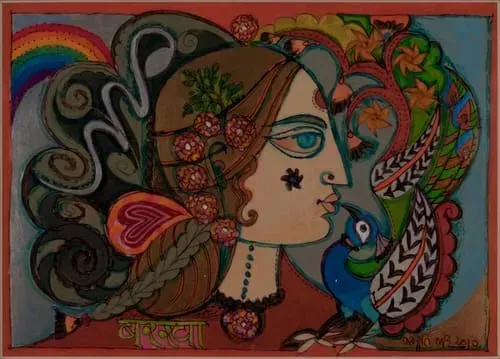
(Untitled | Anjaneyulu G | Oil on canvas | 32 X 32 inches)
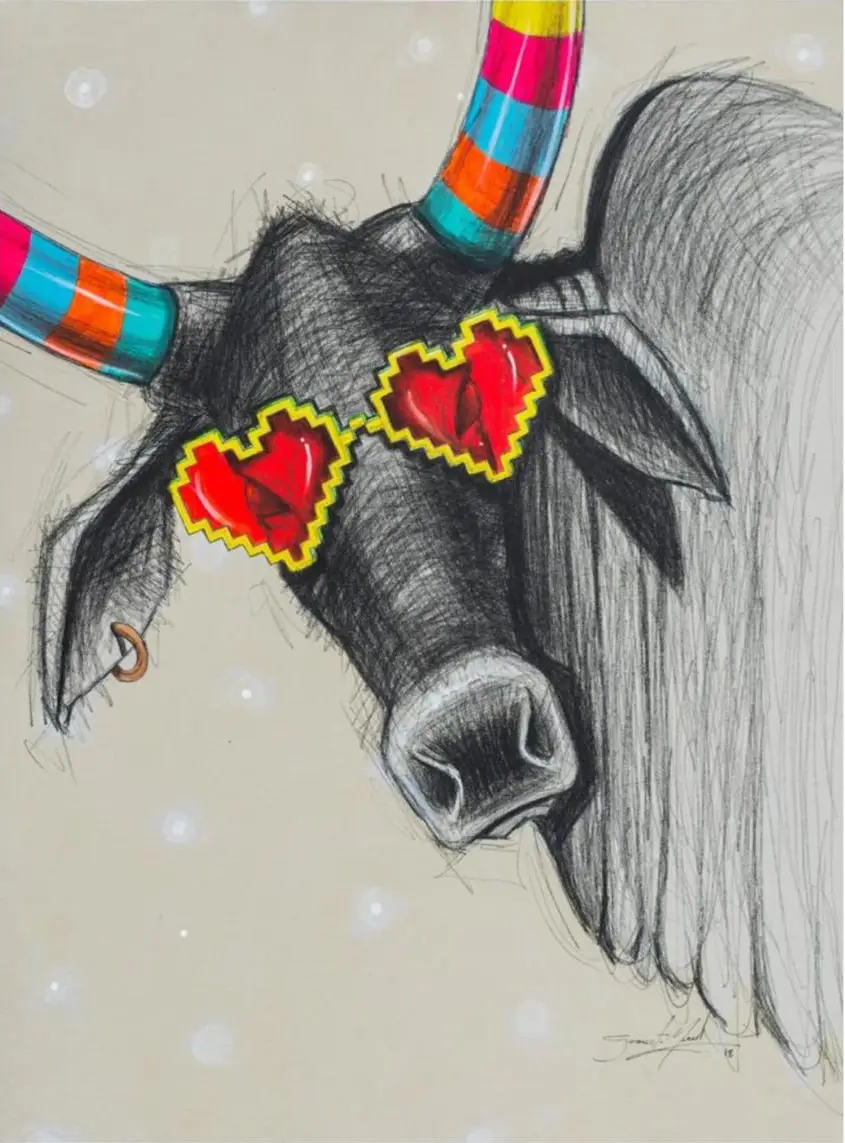
(Playboy | Gurmeet Marwah | Charcoal and acrylic on linen | 38 X 28 inches)
Final Thoughts
Contemporary Indian art is a trend that’s here to stay. They represent the growing worldwide recognition of the creative talent, cultural diversity, and artistic innovation of India. Investment in Indian art is gaining momentum, and with it, the value of Indian artworks continues to increase to become an appealing investment tool for the art enthusiasts as well as first-time buyers who are looking for enduring investment.
Buying authentic art by reputed and emerging Indian contemporary artists can be both rewarding and profitable for anyone, whether they are new to the Indian art scene or already have a collection. We at AIM Gallery are dedicated to our collectors helping them find artworks that are well curated and showcase the changing art landscape of India while ensuring that they make informed decisions.
Frequently Asked Questions (FAQs)
Indian contemporary art is gaining worldwide recognition because it blends India’s rich cultural heritage with modern artistic expression. International exhibitions, auctions, and growing interest from collectors have further increased its global appeal.
Yes. While no investment guarantees returns, high-quality artworks by established and emerging artists often appreciate in value over time. This makes contemporary art investment an attractive option for collectors seeking long-term growth.
The Indian art market is expanding due to increasing collector interest, stronger auction results, improved transparency, digital art platforms, and greater international recognition of Indian artists.
Â
Beginners should research artists, purchase from reputable galleries, verify authenticity, and understand an artwork’s provenance before making a purchase. Taking a long-term approach and seeking expert guidance can help build a meaningful collection.
Â
Trusted galleries offer authentic artworks, proper documentation, and professional guidance throughout the buying process. They also help collectors make informed decisions when exploring art investment in India and building valuable collections.


