.
AIM Gallery
Connect With Us

Display Location: #2176, Sector 21C, Chandigarh

Registered Address: SCO-11 (IInd Floor), Cabin No.1, Sector-17E, Chandigarh – 160017, India.
(The gallery is open by appointment only.)
sales@aimgallery.in

+91-9815111117

Follow Us
Discover Original Art by Renowned & Emerging Indian Artists
Curated Art Experiences
Every Artwork Tells a Story, Find Yours Today
AIM Gallery
oasis crop

Why Does Landscape Remain a Powerful Subject in Modern Art?

Landscape remains an important aspect of modern art because it connects deeply with human emotions and the environment. An artist uses nature and weather to showcase human mood and behavioural traits, like peace, fear, and sadness. Landscape has always held a special place in the history of art. From serene countryside views and majestic mountains to bustling cityscapes and abstract interpretations of nature, artists have continuously returned to the landscape as a source of inspiration. Even as modern art has moved towards experimentation, landscape remains a powerful subject.

Landscape Beyond Realistic Representation

In traditional art, landscapes were often created to capture the beauty and character of a particular location. Modern artists have expanded this idea by treating landscape as more than a realistic representation of nature. A landscape can be simplified into shapes, expressed through bold colours, or transformed through abstract forms. Instead of showing exactly what a place looks like, an artist may focus on how that place feels. The result can be a deeply personal interpretation rather than a literal depiction. This freedom of interpretation makes landscape particularly suited to modern art, where individual expression is often as important as visual representation.

A Reflection of Emotion and Memory

Places often carry memories and emotions. A familiar road, a childhood garden, a quiet shoreline, or a mountain landscape can remind us of particular moments and experiences. Modern artists frequently use landscape to explore these emotional connections. Through colour, composition, light, and texture, an ordinary scene can become a reflection of nostalgia, tranquillity, solitude, or wonder. As a viewer, this creates an opportunity to connect their own memories and experiences with the artwork.

Nature as an Endless Source of Inspiration

Nature offers artists an ever-changing visual language. Light changes throughout the day, seasons transform the colours of the environment, and weather alters the atmosphere of a familiar scene. These changes provide endless opportunities for artistic exploration. Modern artists may capture a landscape at a particular moment or reinterpret it through their imagination. The landscape therefore becomes a subject that can be revisited repeatedly while still offering something new.

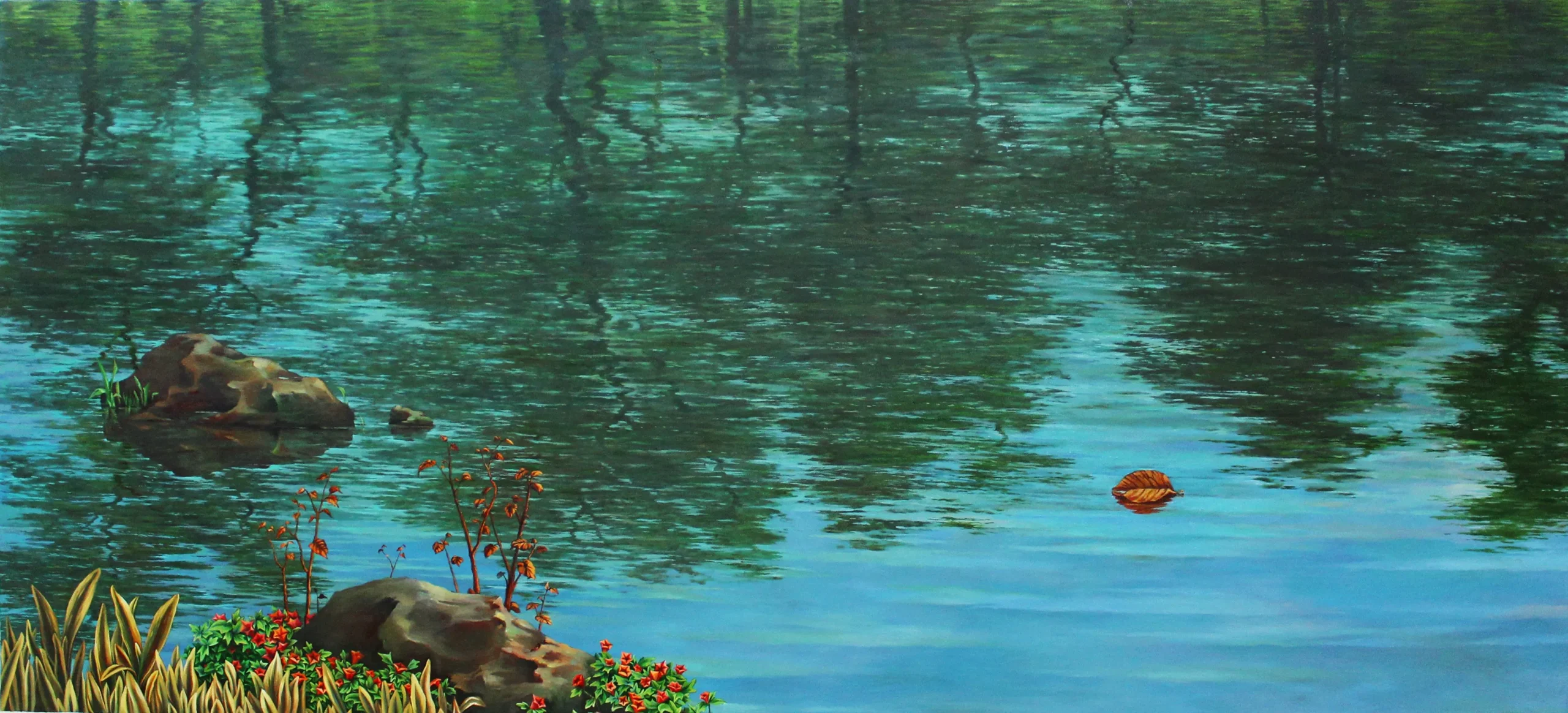
(Untitled, Samir Mohanty, 68 X 31 inches, Watercolour on paper)

The Changing Face of the Landscape

Modern landscape art is not limited to forests, rivers, and mountains. As society has developed, the idea of landscape has expanded to include urban environments. Buildings, roads, bridges, skylines, and public spaces have become important subjects for contemporary artists. Urban landscapes can capture the energy of modern life while also reflecting themes such as growth, movement, isolation, and cultural change. This broader understanding allows artists to document how places evolve and how human activity continuously reshapes the world around us.

Landscape and Contemporary Perspectives

Landscape can also provide a way to reflect on environmental concerns. Issues such as climate change, urbanisation, pollution, and the loss of natural spaces have influenced how artists approach the subject. Some artists use landscape to celebrate the beauty of nature, while others use it to encourage viewers to think about its vulnerability.

The Freedom of Abstract Landscape

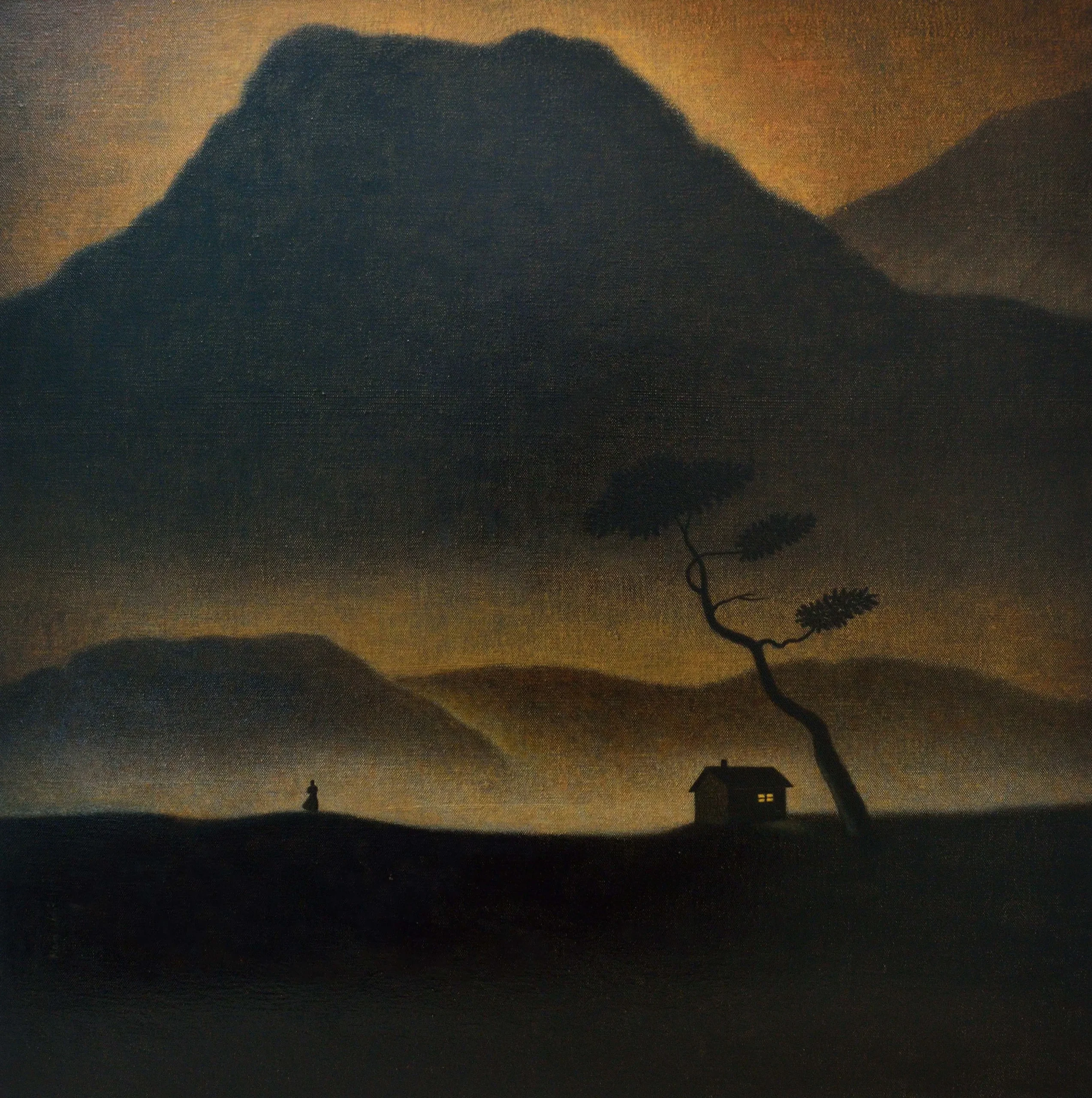
(Prelude, Mahesh Singh, 32 X 32 inches, Oil on canvas)
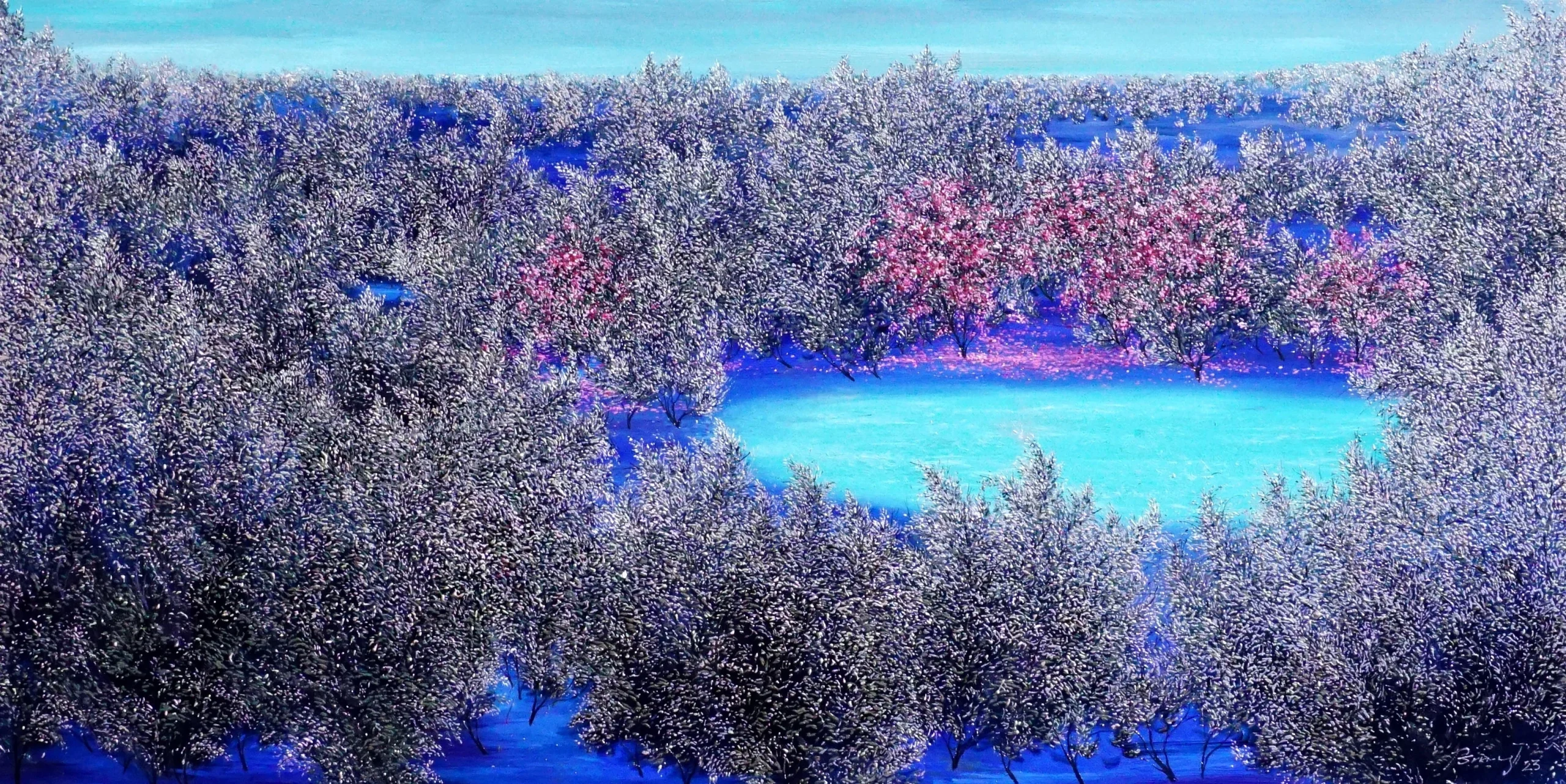
One of the most interesting developments in modern art is the movement from realistic landscapes towards abstraction. An artist may retain only the essential elements of a landscape: the horizon, a mountain, a tree, or a body of water, and transform them into expressive forms. Colour and texture can become more important than accurate representation. This allows viewers to interpret the artwork according to their own experiences. Abstract landscapes demonstrate that a landscape does not have to be immediately recognisable to communicate a sense of place.

Why Landscape Continues to Matter

The enduring appeal of landscape lies in its ability to connect the personal with the universal. Everyone has a relationship with places, whether through memories, journeys, cultural experiences, or everyday surroundings.

For artists, landscape offers an opportunity to explore both the external world and their internal response to it. For collectors and viewers, it can bring a sense of atmosphere, beauty, and meaning into a space.

Conclusion

Landscape remains a powerful subject in modern art because it continues to evolve with the world around us. Whether presented realistically, abstractly, or through a contemporary interpretation, landscape invites us to pause and look more closely at our surroundings.

Landscape remains a powerful subject in modern art because it continues to evolve with the world around us. Whether presented realistically, abstractly, or through a contemporary interpretation, landscape invites us to pause and look more closely at our surroundings.

At AIM Gallery, we believe such interpretations allow art lovers and collectors to experience landscapes beyond their visual beauty. Through thoughtfully curated artworks, we bring together artistic perspectives that celebrate the enduring connection between people, places, and art, making landscape a timeless addition to contemporary collections and spaces.