



Lithography, Etching, and Serigraphy: Understanding Different Fine Art Printmaking Techniques
Fine art prints have been vital in helping to make original artworks more accessible, yet retain the artist’s vision. Fine art prints are handmade and made in a special way, unlike the mass-produced prints that can be found. Awareness of fine art printmaking techniques can enhance the appreciation of the craftsmanship, originality, and the artistic value attributed to each edition.
Lithography, etching, and serigraphy are some of the most respected of the many kinds of printmaking. The processes, materials, and visual characteristics of each process create a unique print. For those with a long history of collecting, as well as for anyone who is new to the concept of prints, it is important to understand the difference between these techniques and to make informed decisions.
What Are Fine Art Printmaking Techniques?
Printmaking is a technique used in fine arts where the image is transferred from the matrix onto the paper or some other material. Several prints can be created using the same matrix, but each print will still be considered an original piece of artwork rather than a copy. Printmaking has gone through several changes in the centuries since it was first invented, but it remains one of the most esteemed art forms. Learning about the Fine Art Printmaking Techniques will help collectors understand and respect the creativity and skill involved in each print.
Many traditional printmaking techniques have stayed the same because they are very technical, precise, and require great skill and craftsmanship. In the modern era, artists still employ these techniques and other contemporary tools to produce collectible artworks that are a blend of creativity and technical skill. The four basic printmaking processes are relief, intaglio, planographic printing (lithography), and stencil printing (serigraphy).
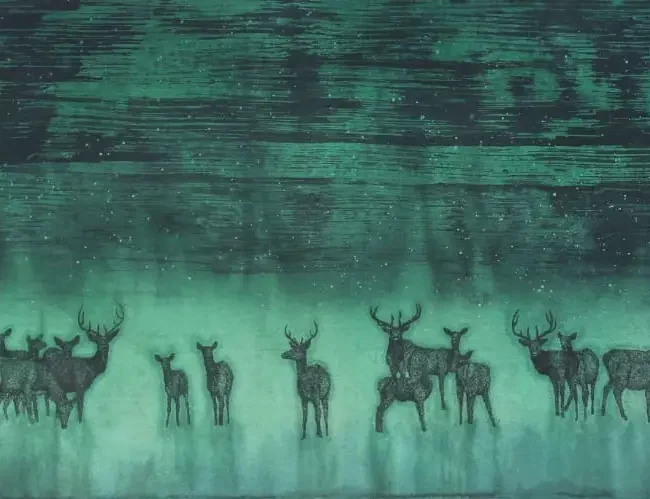
(Encounter | Paresh Maity | Etching | 22.25 X 27.75 inches)
(Art and Ecology | Durgaprasad Bandi, Yash Desai, Devendra K. Khare, R. Magesh, Sudeepkumar Bashyal, Mayadhar Sahu, Poorva Indani, Mausam Raj, Savitha Ravi, Radhika Wader, Kanika Shah, Yogesh Ramakrishna | Etching | N/A)
Exploring the Different Types of Printmaking Techniques
There are several types of printmaking methods, but lithography, etching, and serigraphy are some of the more popular methods used in fine art collections. Every process will produce a unique visual style and have a totally different approach for the artist.
- In lithography, an image is transferred from a flat stone or metal plate by the natural repulsion between oil and water.
- Etching is an intaglio technique that involves creating recessed lines in a plate of metal using acid that will hold ink.
- Serigraphy (screen printing) forces the ink through a prepped mesh screen with specific stencils.
- Every technique results in a limited-run original print that has its own texture, line quality, and artistic effects.
Knowing these Types of printmaking techniques can help collectors to identify why prints produced with different techniques may look different, take longer to produce and have different collectability value.
What’s the Difference between Lithography vs Etching?
The most significant difference between lithography and etching is the method used to make the image.
Lithography is a planographic printing process in which the printing surface is completely flat. The artist uses greasy materials to draw directly on limestone or a specially prepared metal plate. Ink is adhered to the drawn areas by chemical means and repelled by the rest of the surface through water. In this way, soft tonal transitions and expressive drawing marks are preserved, and lithographs look amazingly like original drawings.
But etching is a part of the intaglio family. The artist scratches the design into the acid-resistant ground coating on a metal plate. The metal plate is then acid-etched to form deep grooves for holding ink. When forced, damp paper absorbs the ink from these grooves, creating crisp lines and amazing detail.
Lithography vs. etching is important for collectors to know, since it aids in distinguishing the features of each medium. Lithographs often showcase painterly textures and fluid marks, while etchings are admired for their precision, intricate linework, and depth. Knowing the difference between lithography and etching will help collectors select the type of prints that suit them best.
(Monsoon Lithography (Set of 6)Â | Rishin Zaman, Pancham Gaur, Tez Gogoi, Parvathy Suresh, Wanhi-i Challam, Naveen Tungana| Lithograph | 16 X 12 inches (each))
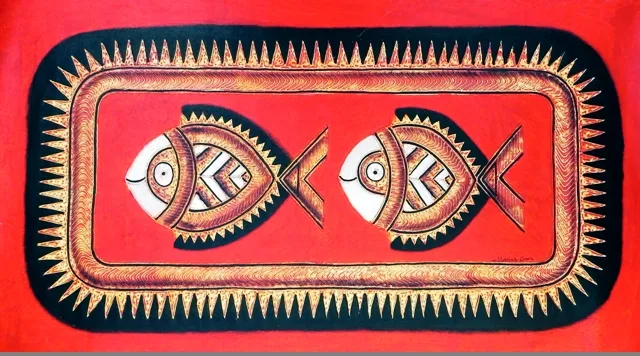
(Mother & Child I | Thota Vaikuntam | Serigraph on paper | 30 X 40 inches)
Understanding the Serigraphy Printing Technique
Serigraphy printing (also called fine art screen printing) is a technique that produces images by using a squeegee to force ink through the selected areas of a mesh screen. Colours have to be printed on their own screen and for complex designs, several layers of colours may be aligned precisely.
The Serigraphy printing procedure utilized in fine art is more concerned with craftsmanship, colour accuracy and limited editions than commercial screen printing. Artists can print bold colours, smooth gradients and obtain excellent consistency from one print to another, without losing the originality of the artwork. Each colour layer must be printed independently, and this requires patience, care and expert registration.
It is a popular approach among contemporary artists for creating vibrant colors, graphic compositions, and visually striking pieces while maintaining the authenticity of the art. The Serigraphy printing technique is still highly valued due to the creation of quality limited-edition artworks.
What is the significance of traditional printmaking techniques in the modern world?
Although digital printing has come a long way, Traditional printmaking techniques still have a tremendous amount of artistic and collecting value. Methods include direct contact between the artist and the printing surface, and each printing run is an individual, skillful handmade printing process, not automatic printing.
Traditional printmaking methods are valued by collectors in addition to their contributions to the centuries-old practices of art: they give artists the opportunity to create texture, layer, and composition. Each technique imparts unique physical qualities that are hard to duplicate digitally, and original prints are much sought after in the fine art market.
The traditional techniques are still relevant and continue to serve as a link between the historical craftsmanship and contemporary fine art. The Traditional Printmaking methods are still very influential for many artists and even collectors of original prints.
(Satpura | Sayed Haider Raza | Serigraph on paper | 30 X 54 inches)
Final Thoughts
The enjoyment of collecting prints is enhanced by understanding the methods used in Fine art printmaking. From Lithography vs. etching to the Serigraphy printing technique, or other Types of printmaking techniques, each process has its own interesting story to tell in terms of materials, texture, and technique.
At AIM Gallery, we feel that well-informed collectors make confident decisions. Our mindfully selected showcase of original fine art prints features outstanding printed artistry from a variety of printmaking techniques to help art lovers find artworks that are both artistically brilliant and collectible.
Â
Frequently Asked Questions (FAQs)
Fine art printmaking techniques are artistic processes used to create original prints from a prepared matrix, such as a stone, metal plate, or screen. Each print within a limited edition is considered an original artwork.
The main types of printmaking processes are as follows: relief printing, intaglio, lithography (or planographic process), and serigraphy (screen printing). They differ in terms of ink transfer.
Lithography involves the use of a flat surface according to the oil and water system while etching involves the use of acids to cut recesses in metal plates that hold the ink.
The Serigraphy printing technique transfers ink through a mesh screen using stencils. Separate screens are prepared for each colour, producing vibrant, high-quality limited-edition fine art prints.
The old traditional techniques of making prints through printmaking enable artistic craftsmanship to be preserved, as well as manual skills, and create limited-edition prints with special textures and visual appearance.