.
AIM Gallery
Connect With Us

Display Location: #2176, Sector 21C, Chandigarh

Registered Address: SCO-11 (IInd Floor), Cabin No.1, Sector-17E, Chandigarh – 160017, India.
(The gallery is open by appointment only.)
sales@aimgallery.in

+91 9023252526

Follow Us
Discover Original Art by Renowned & Emerging Indian Artists
Curated Art Experiences
Every Artwork Tells a Story, Find Yours Today
AIM Gallery
Under The Roof

How Does Abstract Art Communicate Feelings Without a Narrative

Imagine an art form created not to define perfection and accuracy but to convey creativity in its visual representation. An art form that does not depict even lines and perfect colour combinations but rather focuses on the beauty and power of imperfection, using visual elements to represent raw emotions – this amazing art form is known as ‘abstract art’. This art form uses a visual language of shapes, colours, forms, and textures to achieve its effect, allowing artists to explore emotions and concepts independently from real-world references. Assume you are standing in front of an abstract artwork. No proper colour, no people, no story to follow, and still you are connected with the story in that art – abstract art that directly connects with your nervous system.

How Abstract Art Speaks Without Words

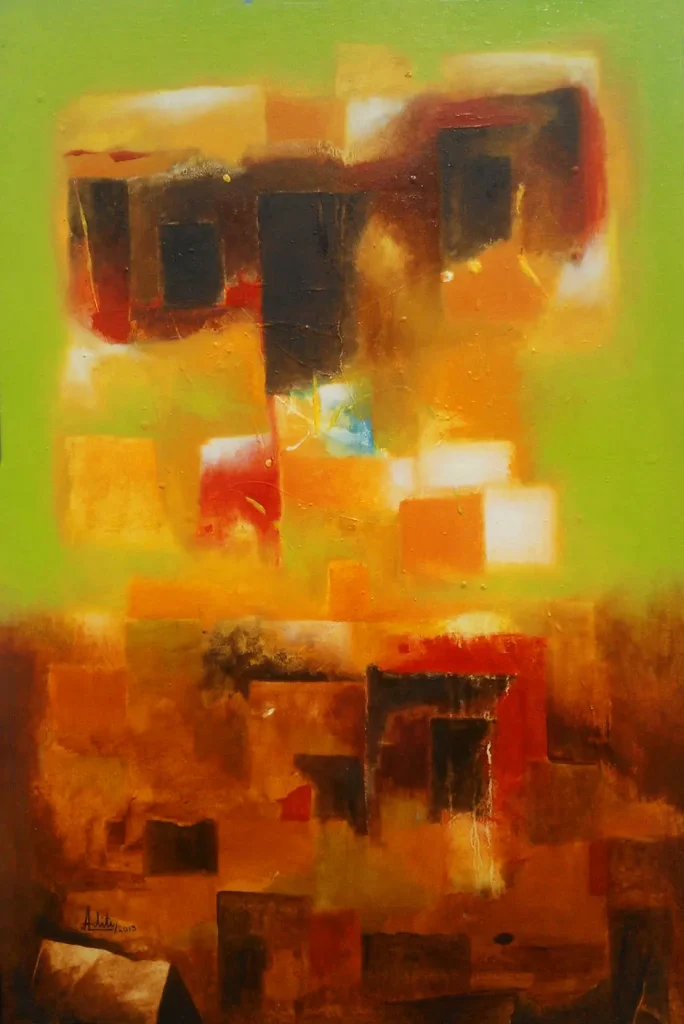
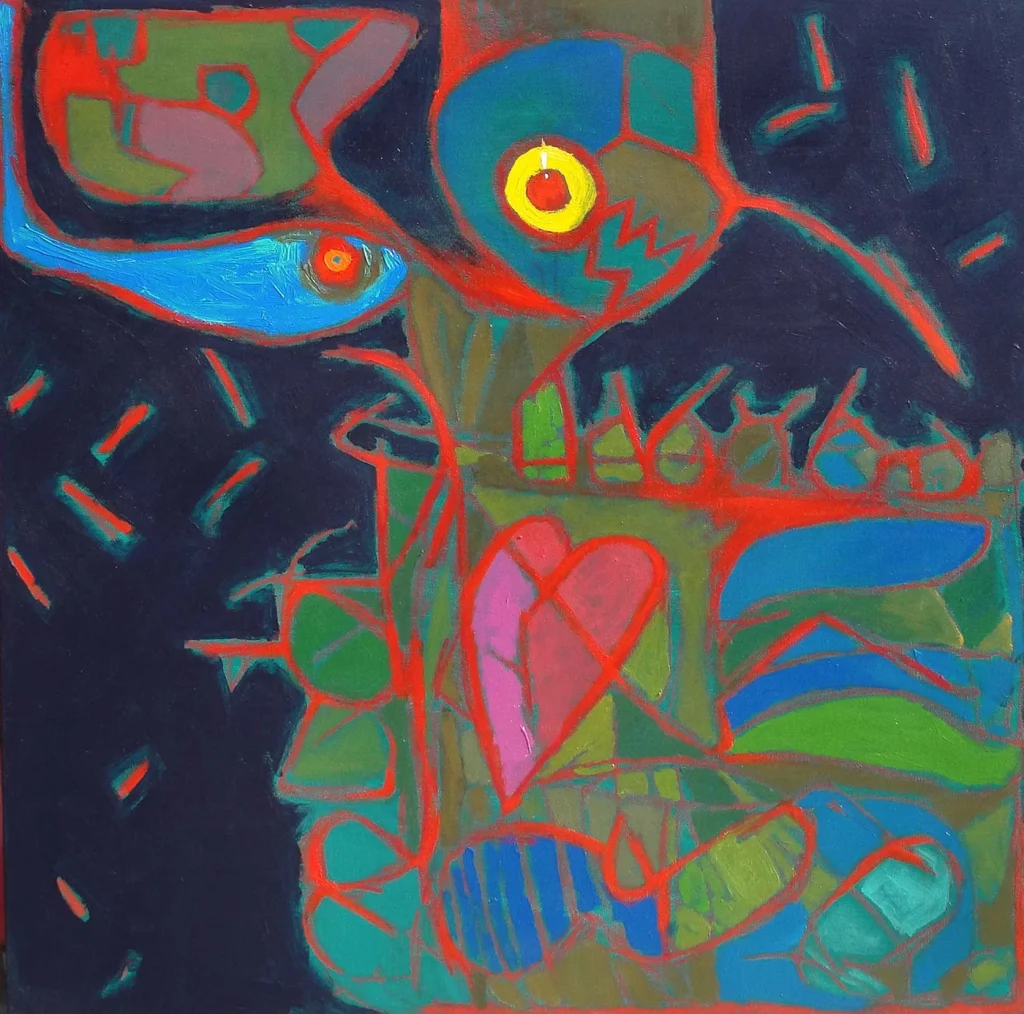
  • Colour speaks before words do: The bold colours hit first before the actual artwork. In abstract art, the use of bold warm colours like red, orange, and yellow – this colour combination clicks with you in 0.2 seconds before the actual work does. Logic works later; that’s why abstract art starts with feelings and not logic itself. Likewise, red does not describe “anger”. It raises your pulse as anger does. “Mark Rothko’s floating rectangles of deep red and black colour do not depict grief; they wrap you in it. Warm colours like red, orange, and yellow make you feel active and create a sense of urgency, whereas cool colours like blue, green, and violet make you feel calm and relaxed. Artists use colours like music tones; you don’t need to understand the lyrics of the music if you understand the emotion and tone, just as artists use colours in abstract art.

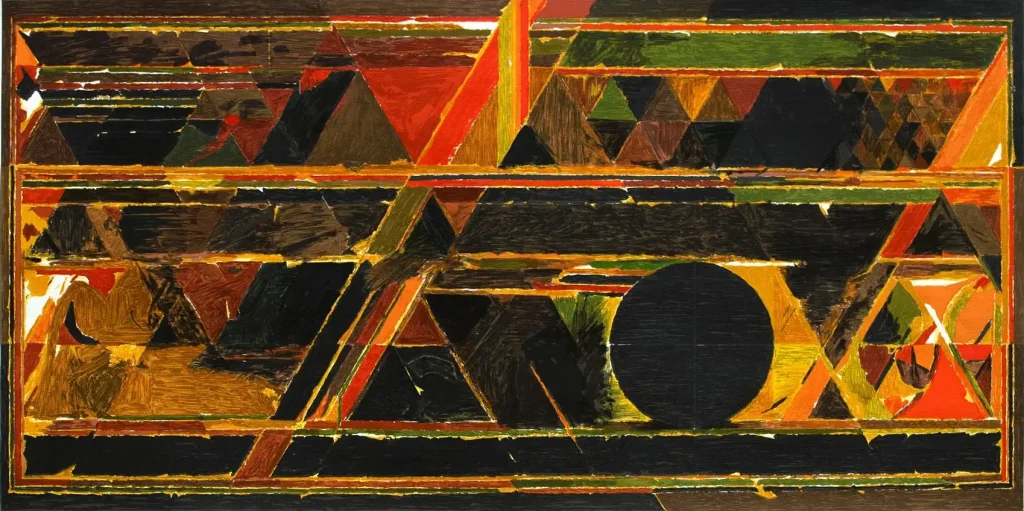
  • Shape and line carry emotional weight: Your eyes read shapes and colours the way the human body reads gestures; sharp and jagged lines are equal to tension, panic, and chaos. Jackson Pollock’s splattering doesn’t tell a story about moods; they are moods. If your eyes don’t rest, then neither will your mind. Soft, rounded curves signify comfort and safety. Abstract art does not depict a person crying or showing emotions; it gives the viewer a sense of how emotions feel, as if you complete the story with your own imagination and memories. Or while looking at abstract art, you create your own story.

  • Texture makes you feel with your eyes. The viewer can not directly touch the abstract paintings but can feel and understand the art through visual representation. Texture tricks your brain to remember the artwork. Thick, scraped impasto feels like struggle. Like something pushed through resistance. Smooth, layered washes feel like calm, distance, or the passage of time. Torn edges, sand, scratches – they all carry emotional history.

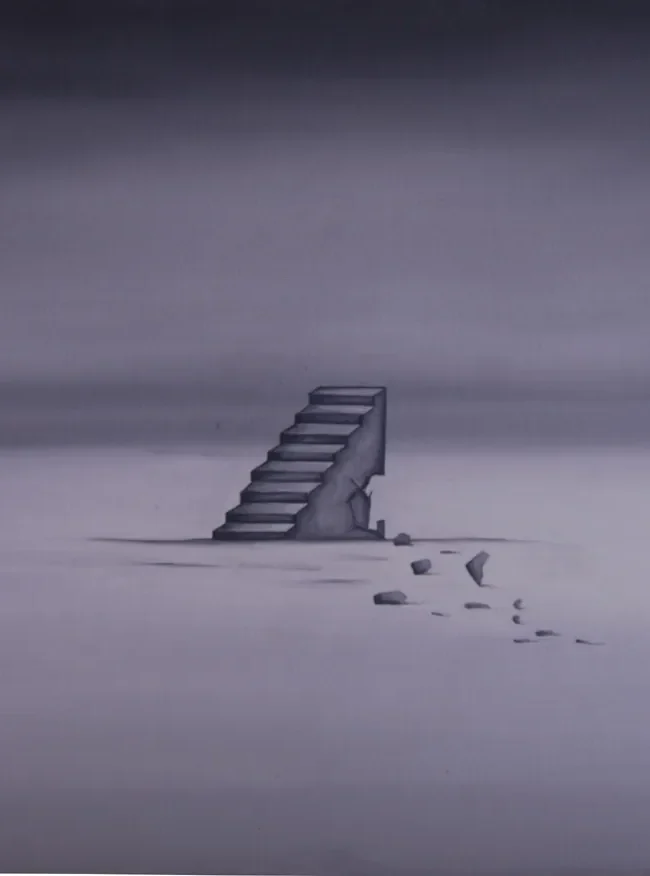
  • Space and balance create atmosphere. Space in abstract art is never empty. It’s silent. Breathing room. Loneliness. Possibility.
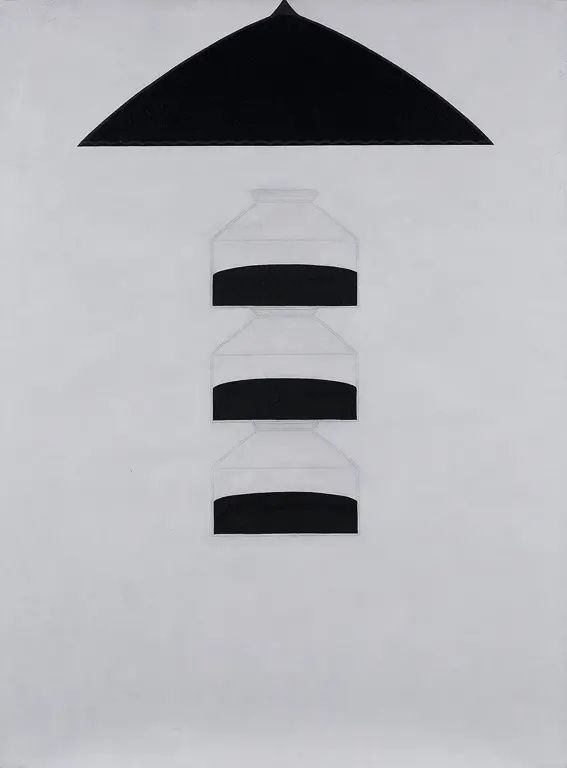
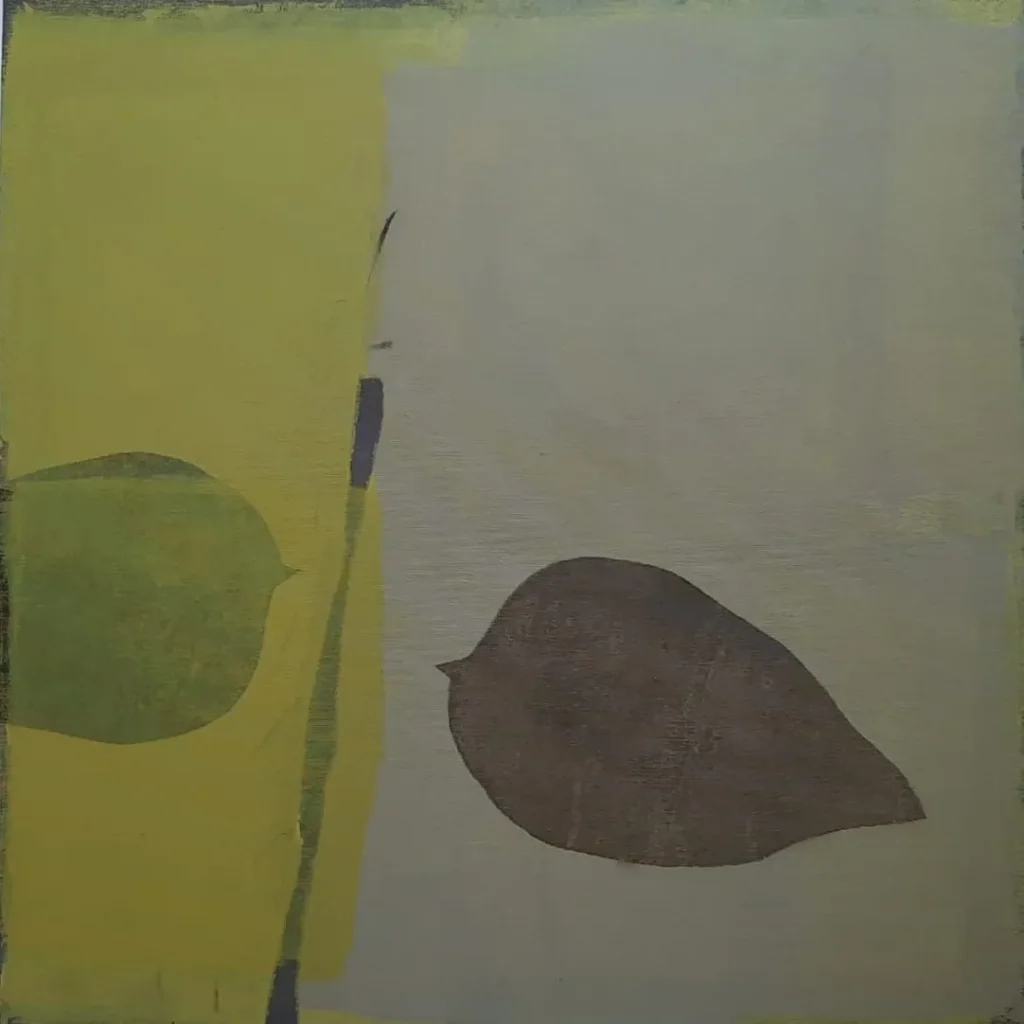
    A tiny dot floating in a huge white field feels isolated, small, and fragile. Dense, crowded marks feel overwhelming, noisy, and alive. Agnes Martin’s grids don’t tell stories. They create quiet. That quiet _is_ the message. This is why abstract art feels meditative. It uses negative space like poetry uses pauses. What’s not painted says as much as what is.

  • The missing piece:  you: Realistic art hands you a story: “This is a mother and child.” Abstract art hands you a mirror: “What does this bring up for you?” Your brain hates ambiguity, so it fills the gaps. That wash of blue becomes your childhood beach. Those dark streaks become the night you couldn’t sleep. The art doesn’t contain the meaning. You do. That’s why 10 people can look at the same Kandinsky and feel 10 different things. Abstract art doesn’t tell you what to feel. It permits you to feel what’s already there.

How Abstract Art Reflects Human Emotions

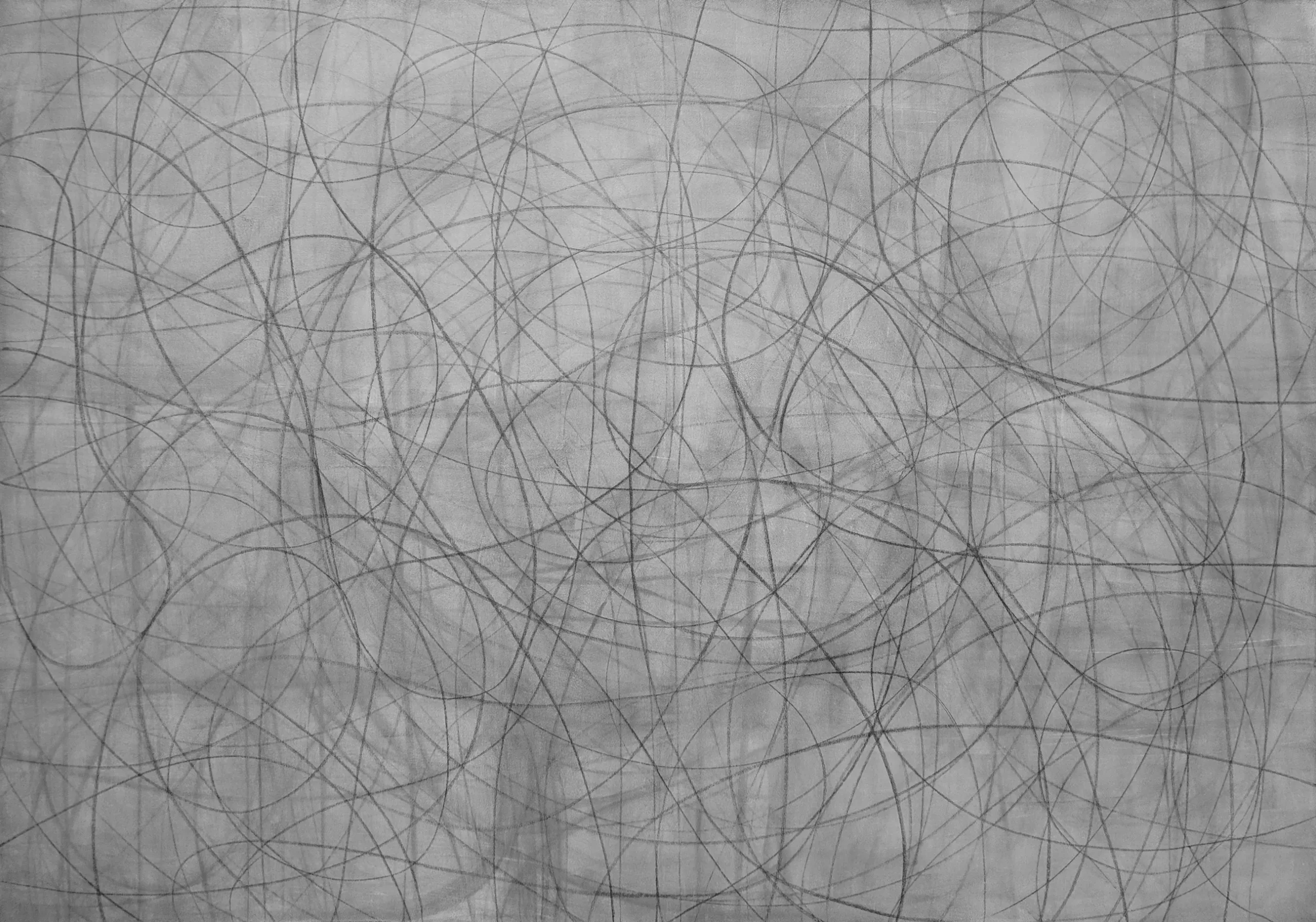
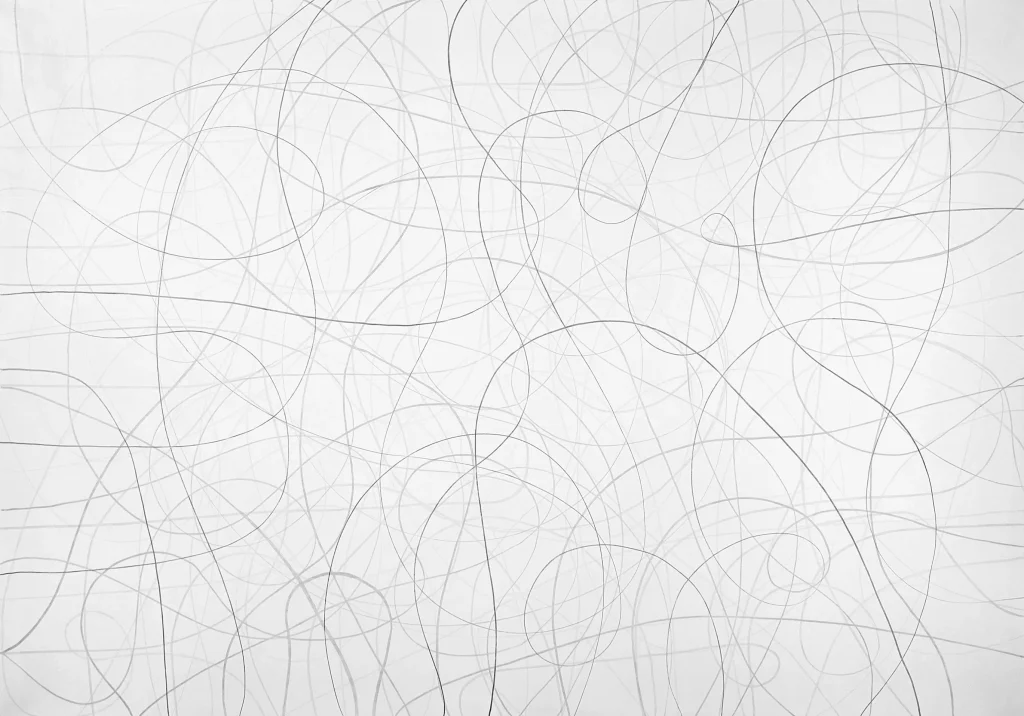
Ravi Sachula, Lines of Ages II, Acrylic on linen, 46 BY 46

Most human emotions don’t fit into a neat narrative; anxiety doesn’t follow any script, and joy doesn’t follow a set timeline. We spend so much time explaining how we actually feel.

We “explain our feelings”, but we forget how it actually felt to be in that emotion and, most importantly, how to experience them. Abstract art trains you to understand and feel your own emotions. It allows you to sit in front of colours, shapes, textures, and sizes and understand them before you come to any conclusion. Understanding abstract art somewhat feels like understanding our own emotions without fixing them.

Why Artists Choose Abstract Expression

Abstract art communicates through colours, sizes, shapes, textures, and spaces – the exact tools your body uses before words show up. It spikes the narrative because feelings don’t have any plots; the paintings aren’t complete till the time you bring up your creative thinking and feelings into it. Next time when you see any abstract art and don’t get it, ask yourself, “What do I feel while looking at the painting?” The painting isn’t complete until you bring your feelings into it.

Conclusion:

Abstract art doesn’t need a story to move you. It uses colour, shape, texture, and space to speak the language your body already knows. No plot. No characters. Just feeling.

Stop trying to understand it. Feel it instead. The meaning isn’t on the wall. It’s in you.

That’s the power of abstract art.