Registered Address: SCO-11 (IInd Floor), Cabin No.1, Sector-17E, Chandigarh – 160017, India. (The gallery is open by appointment only.) sales@aimgallery.in
Ever seen someone else in an art gallery and noticed that you saw the same painting, but had completely different feelings or stories or ideas about it? A colourful landscape could be a source of hope to one person and a source of loneliness to another. The Psychology of artis a phenomenon which is explained by the study of psychology that explains how the mind, emotions, experiences, and environment affect our reaction to visual art.
All artworks have stories, but it’s not always a single story. The artist may have an intention, but viewers may find meanings very personal. That’s the reason why the difference in how people interpret art has emerged as a significant subject in art appreciation and psychology. Since there is an interaction between art perception, memory, and emotions, we should be able to appreciate paintings not just at the surface level of perception. Based on empirical studies on perception and aesthetics, one can appreciate art based not only on the artwork but also on the perception, culture, and emotions of the beholder.
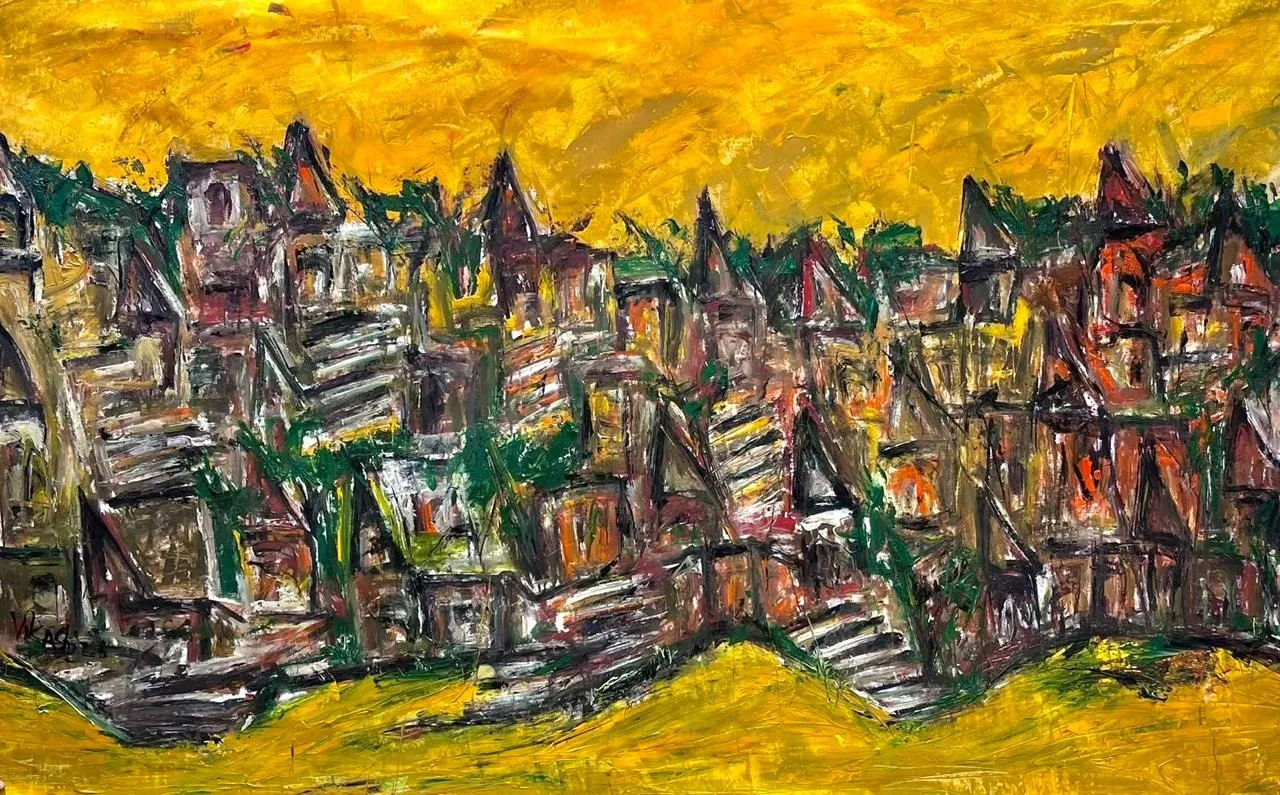
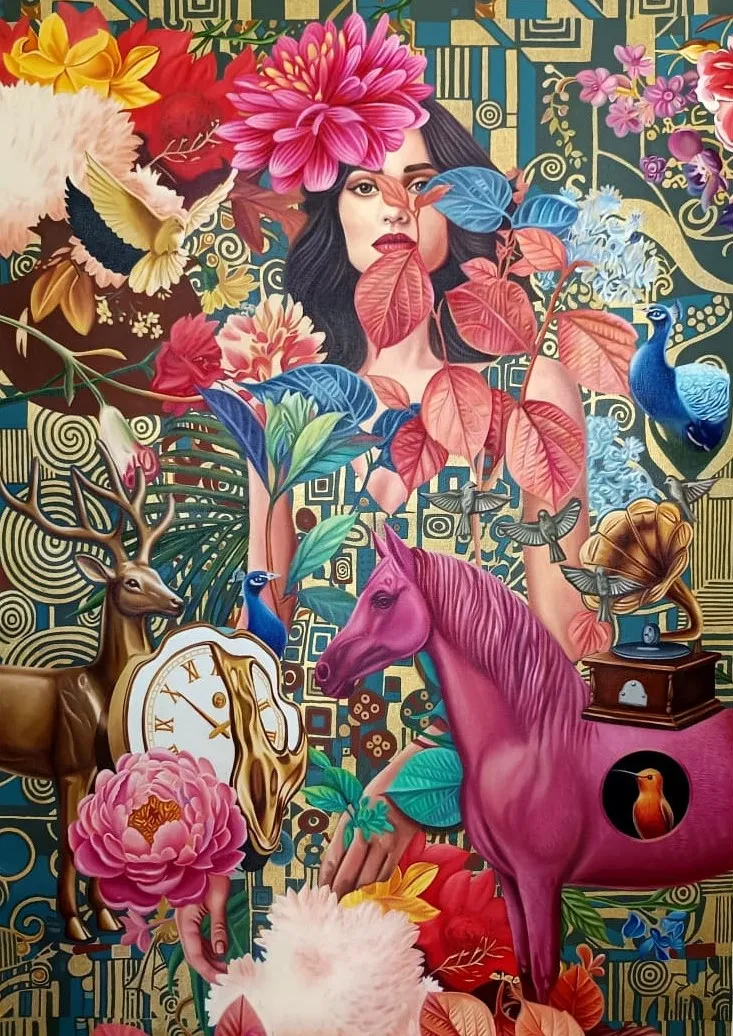
(Untitled | Vikash Kalra | Acrylic on canvas | 48 X 84 inches)
The Psychology Behind Seeing Art
Psychology of Art explains that the brain does a lot more than just look at colors and shapes. While looking at a painting, the brain connects the image to memories, thoughts, feelings, and past experiences without even trying.
One of the largest factors in people’s perception of art is: A person who has lived close to the sea would feel relaxed when viewing a seascape, while a person who has lived away from the sea would feel that it has a sense of loss or distance. The same visuals can evoke totally different emotions.
Every observation experience is unique because perception involves both visual input and cognitive and emotional processes.
Art Perception Is Influenced by Personal Experience
We develop our understanding of art through life. The perception of visual art is influenced by education, travel, culture, family traditions, and even emotions.
Keep in mind these factors of perception:
– Personal experiences and memories
– Community beliefs and practices
– An understanding of art history or art technique
– Emotional reaction to artwork (when viewing)
The influences show that the meaning and interpretation of art are never determined. Rather, it develops through the process of viewers’ viewpoints.
A lot of people look into the meaning of Art, meaning “the right” explanation of a painting. It is important to grasp the historical context, but there is no one correct or incorrect answer. The greatness of art is that it can be interpreted several different ways. This is also a movement that has been going on in the field of art interpretation, where the meaning can go beyond that of the artist.
Why Abstract Art Makes the Many Interpretations
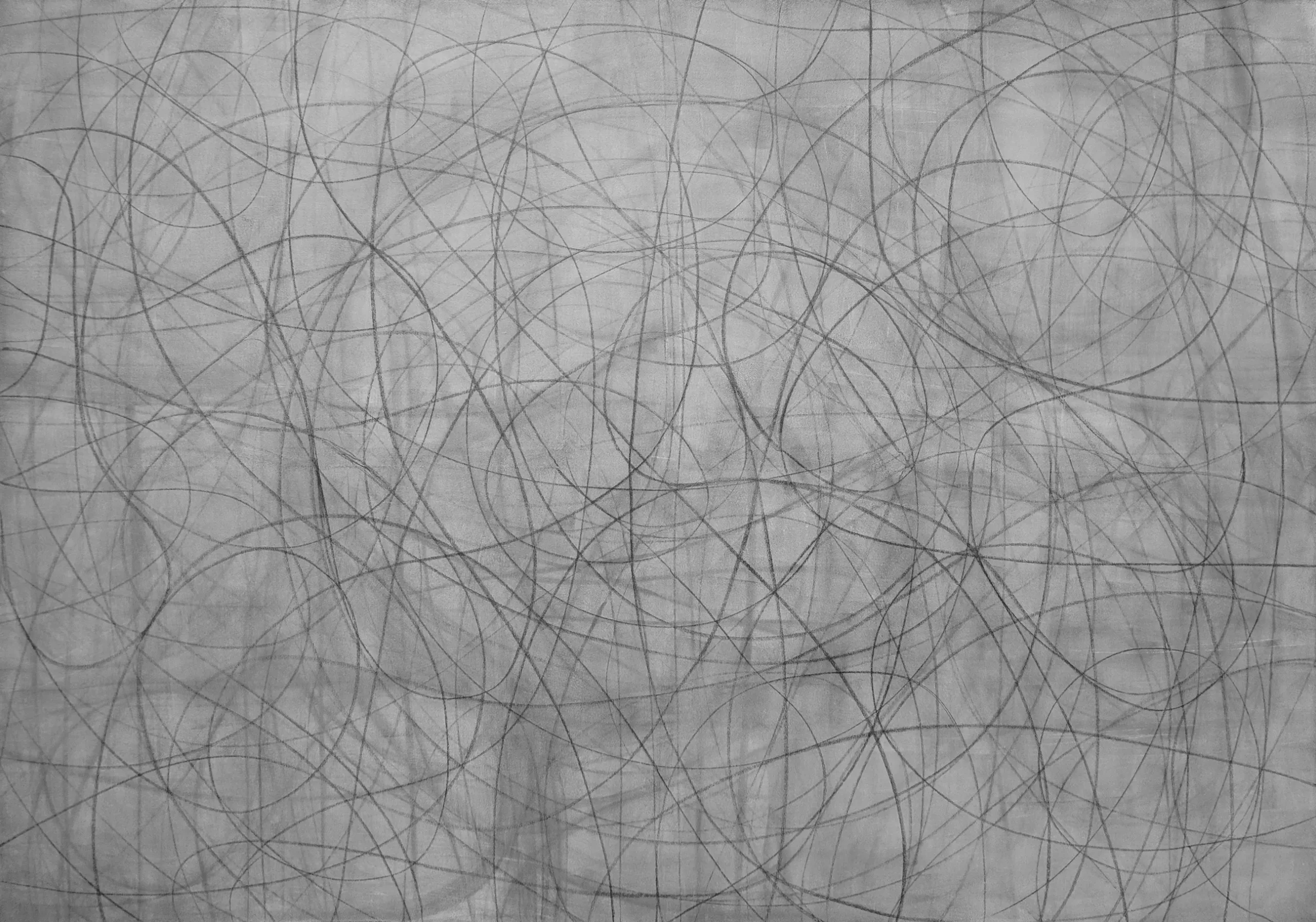
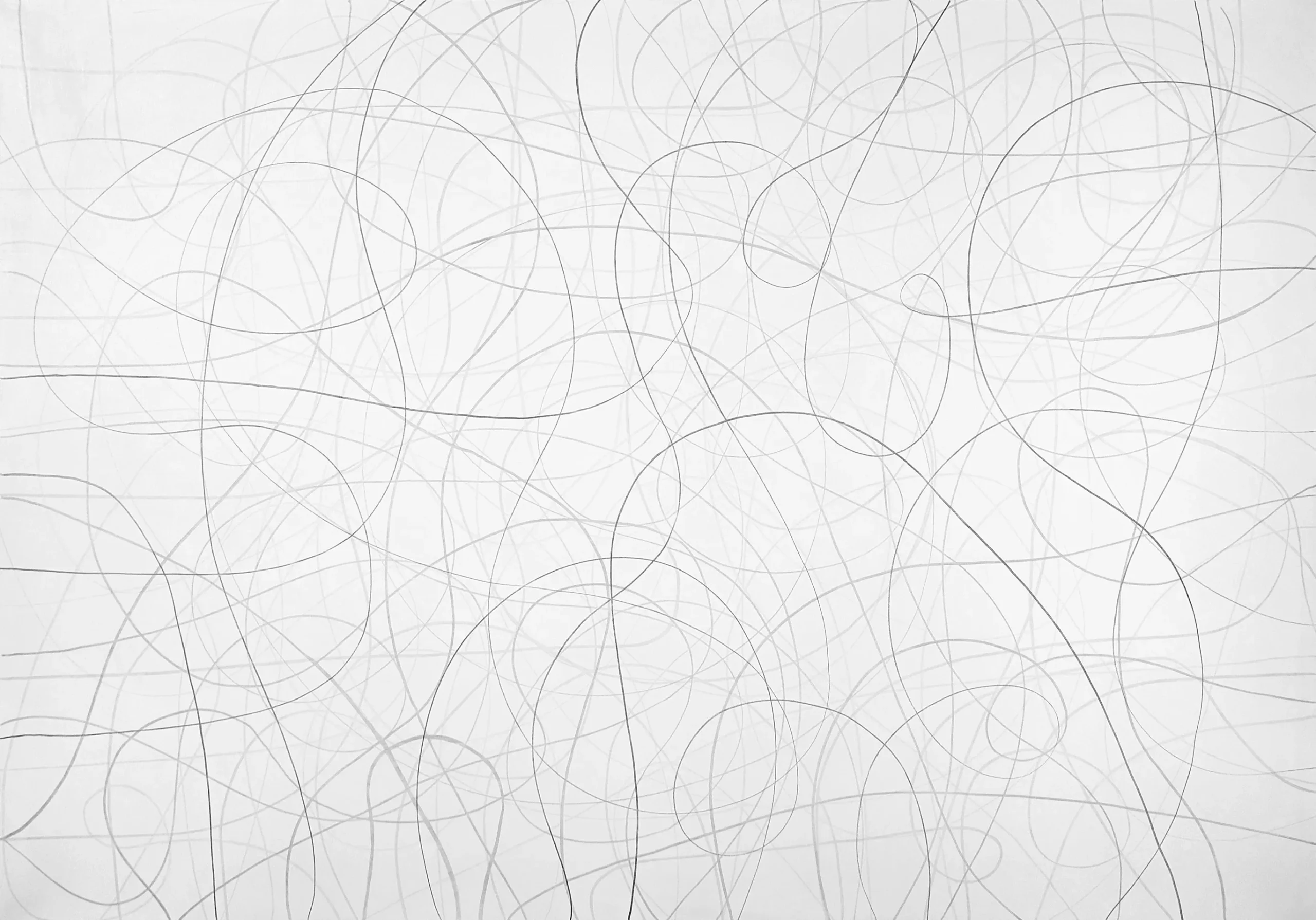
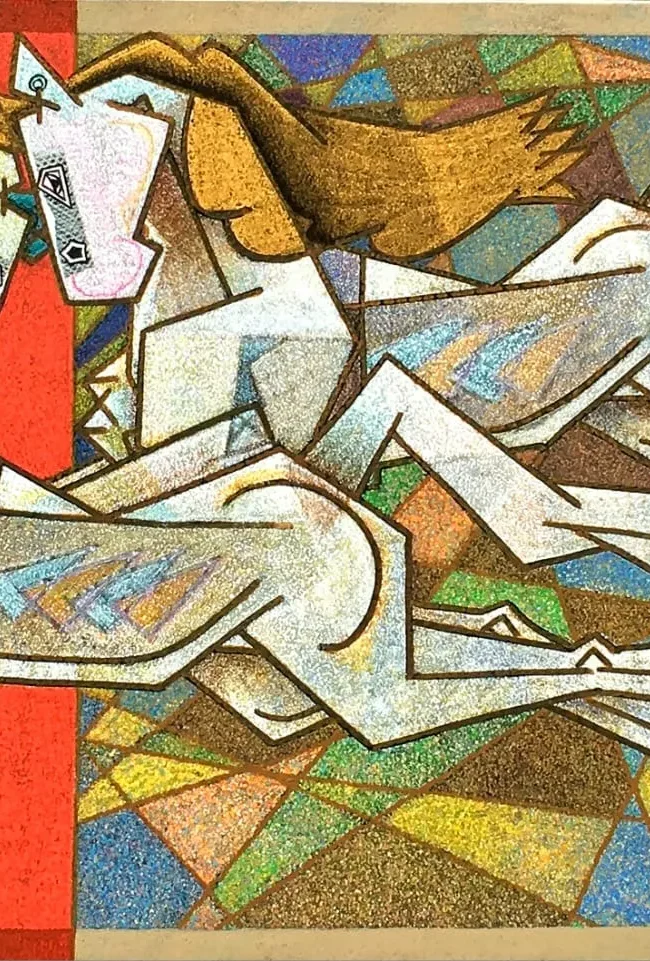
(Lines Of Ages II | Ravi Sachula | Acrylic on linen | 46 X 65 inches)
(Lines Of Ages I | Ravi Sachula | Acrylic on linen | 46 X 65 inches)
This artistic style can elicit the most varied responses of all art forms. When there are no obvious subjects or stories, it relies on the viewer’s imagination.
People start to ask not what the painting means on a direct level but what it means:
What do you feel this artwork evokes for you?
What things does it remind me of?
Why am I responding this way?
This is a perfect example of the way people interpret art and how they can take different views of it. Movement and excitement may be seen by one viewer, calmness and balance by another. Neither answer is incorrect, since it comes from the perception of one of the two.
According to The Psychology of Art, abstractions invite the viewer to become an integral part of the art, rather than just a recipient of meaning.
Modern Art vs. Traditional thought
Modern art, which is abstract art, may challenge the perceptions that people have rather than giving concrete answers. An artist can apply elements such as unusual composition, unexpected media, symbolism, or even colors in order to express his/her emotions and not just reality.
This is what makes it so easy to find so many different interpretations of modern art. There are some people who like innovation and symbolism and some who like realism. Both are not better, since each viewer has his/her set of expectations when viewing.
When the public does not seek a “right” answer to the meaning and interpretation of art, it can enrich the understanding of works of art.
Can We Verify the Meaning of an Artwork?
When people look for art meaning verify, they are usually looking for certainty about the meaning of an artwork.
Actually, verification is context-dependent. Artist interviews, exhibition notes, cultural background, and history can be valuable resources in understanding an artist’s intentions. But there is still a personal element to the viewing experience.
Both views have been acknowledged by the Psychology of art. Even if the artist intends to communicate something specific, people can still find different emotions or symbolism in what they see based on their life experiences.
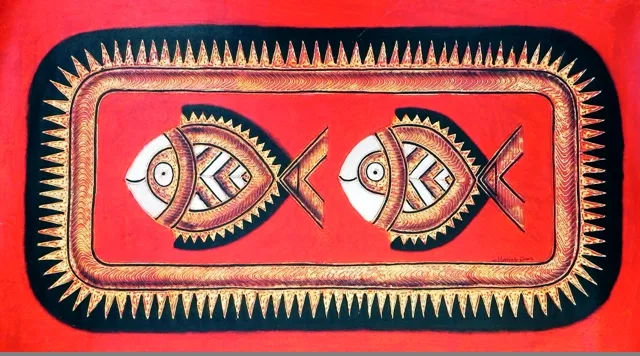
(Untitled | Suraj Kumar Kashi | Acrylic and oil on canvas | 30 X 42 inches)
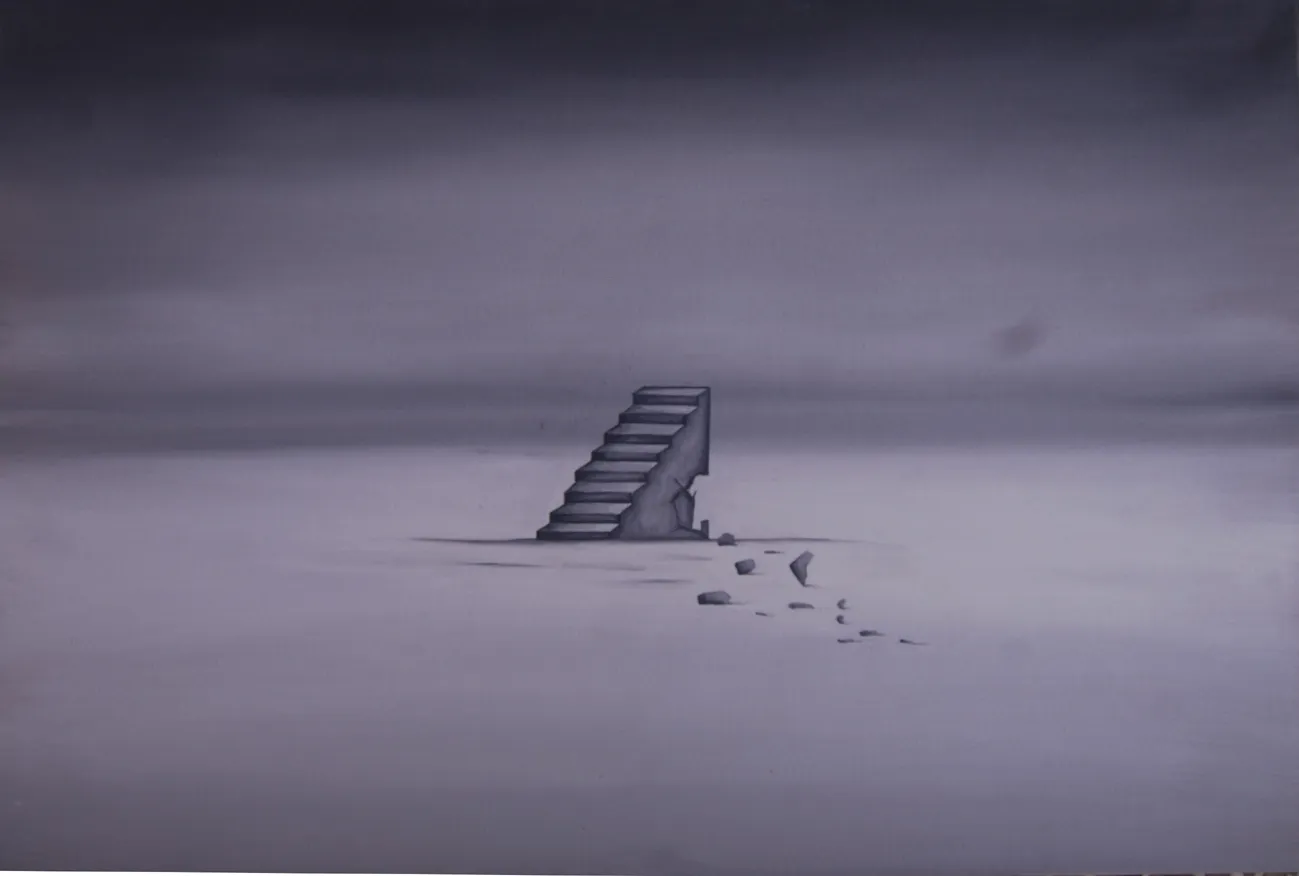
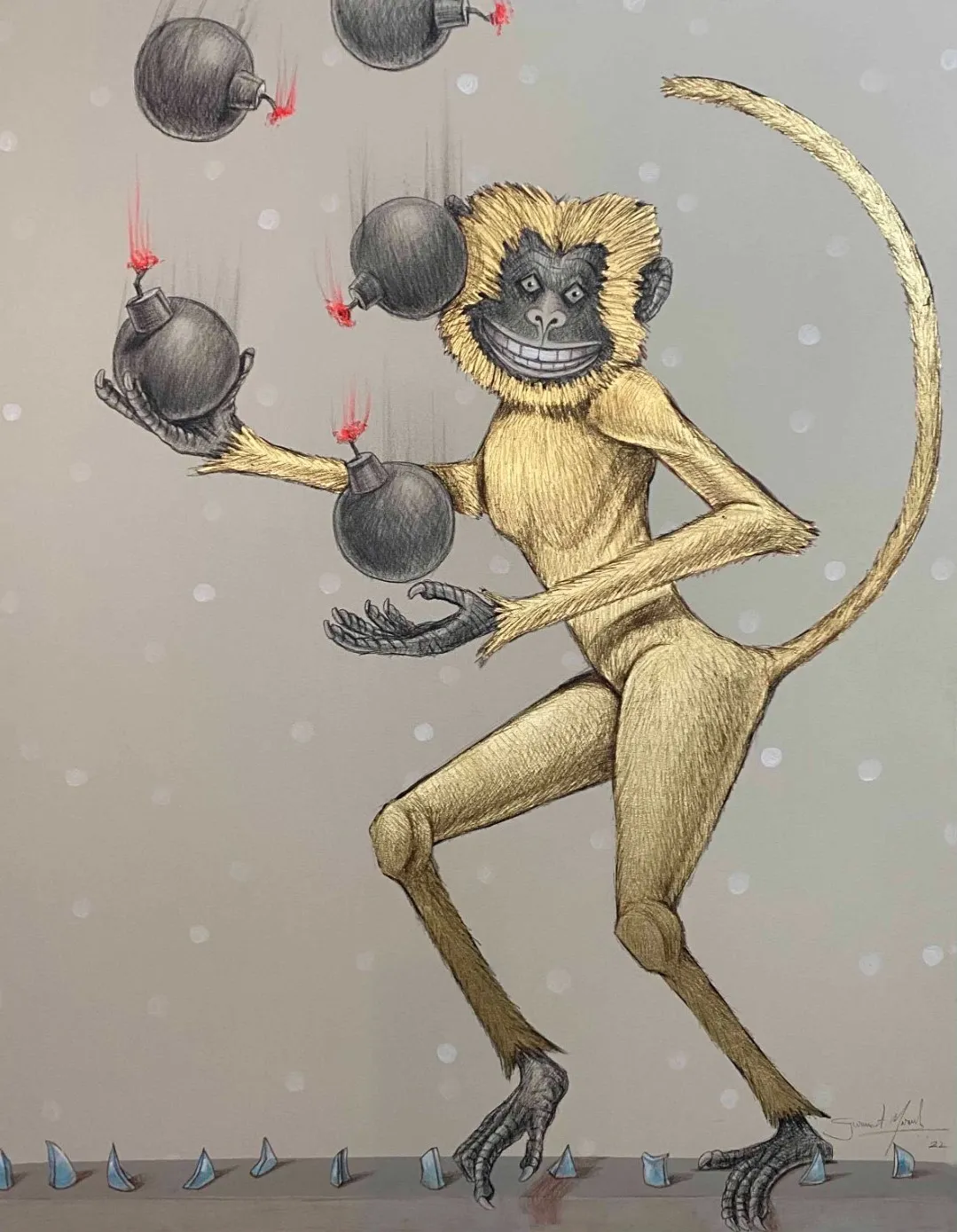
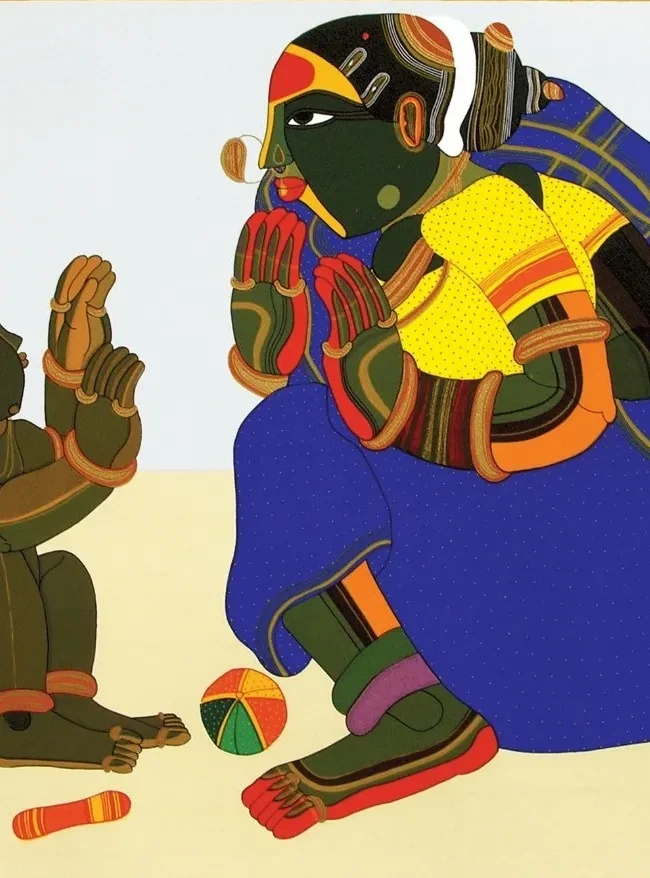
(It’s My Life | Gurmeet Marwah | Charcoal, acrylic and gold leaf on linen | 36 X 48 inches)
A greater appreciation adds to the interpretation of the artwork for each individual.
Final Thoughts
Each painting is finished only when someone pours a cup over it. As stated by The Psychology of Art, works of art are not messages but conversations. Works of art are understood in various ways by people due to varying art perceptions, emotions, culture, and life experiences. This explains why people perceive works of art differently every day.
It’s better to investigate the numerous meanings different interpretations can offer than to ask if one is correct and the other is incorrect. We think that every piece of art can spark a new conversation at AIM Gallery, and every trip will be a chance to explore new ideas, new looks, and new appreciation of great art.
Not necessarily. Even though artists might have particular intentions, the meaning and interpretation of art usually entail personal responses to it by observers.
Searching for “Art Meaning Verify” or “Art Interpretation Verify” will give you historical and/or intended meanings, but interpretation will always remain a part of enjoying art.
To provide the best experience while browsing AIM Gallery, we use cookies to improve website functionality, understand how visitors use our site, and, with your permission, deliver relevant marketing content. You can accept, deny, or customise your cookie preferences at any time. Some features may not function properly if certain cookies are disabled.
Functional
Always active
These cookies are essential for the proper functioning of the AIM Gallery website. They enable core features such as page navigation, secure browsing, remembering your preferences, and ensuring the website operates correctly. These cookies cannot be disabled.
Preferences
The technical storage or access is necessary for the legitimate purpose of storing preferences that are not requested by the subscriber or user.
Statistics
These cookies help us understand how visitors interact with our website by collecting anonymous information such as pages visited, time spent on the site, and overall website performance. This data helps us improve the browsing experience and the content we provide.The technical storage or access that is used exclusively for anonymous statistical purposes. Without a subpoena, voluntary compliance on the part of your Internet Service Provider, or additional records from a third party, information stored or retrieved for this purpose alone cannot usually be used to identify you.
Marketing
These cookies may be used to deliver relevant promotional content, measure the effectiveness of our marketing campaigns, and remember your interests across visits. They are only enabled with your consent.