







.
AIM Gallery
Connect With Us

Display Location: #2176, Sector 21C, Chandigarh (Visiting Hours: 12:00 PM – 6:00 PM)

Registered Address: SCO-11 (IInd Floor), Cabin No.1, Sector-17E, Chandigarh – 160017, India.
sales@aimgallery.in

+91 9023252526

Follow Us
Discover Original Art by Renowned & Emerging Indian Artists
Curated Art Experiences
Every Artwork Tells a Story, Find Yours Today
AIM Gallery
deer

The Importance of Negative Space in Art

Generally, people tend to appreciate artwork that shows portraits, landscapes, or abstract art. But for many years now, the importance of the space surrounding the subject matter has been recognized by artists. It is an aspect of artwork that is often underappreciated and referred to as negative space in art.

Negative space is not “empty” space, but rather it is utilized to focus the viewer’s eyes on the focal point. It can totally transform how one perceives art, whether they are a professional artist, art connoisseur, or simply an art lover.

What Is Negative Space in Art?

Negative space is used in art to denote the space within the picture without any object. Positive space is used to denote the space in which there is something in the picture. Both of these create a relationship between them that helps in creating shapes and depth. Being able to master positive and negative space in art means being able to create balanced compositions.

Both positive and negative spaces make up the structure of art. A good composition is highly dependent on the manner in which all these visual elements work together. A slight change in spacing could greatly affect the way one perceives an artwork. Artists use the background as a part of their design, rather than it being simply empty. A simple drawing can be more dynamic when one thinks about the space around the drawing.

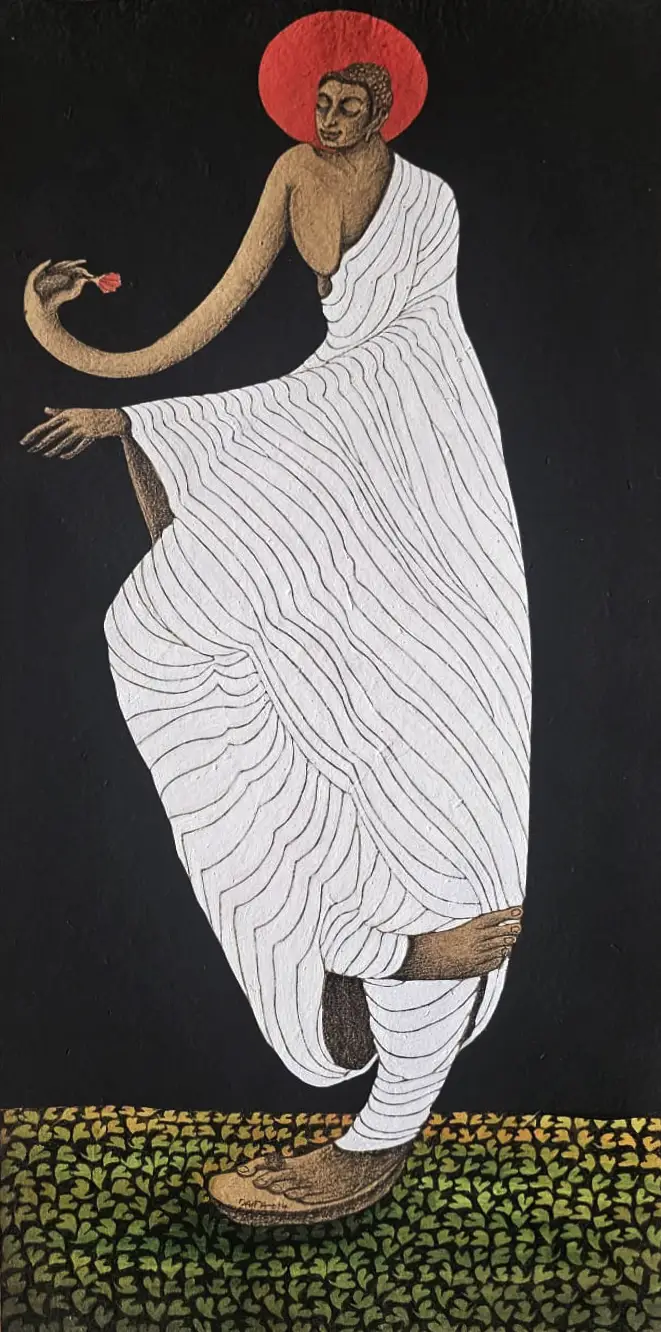
Datta-Bansode-2

(Buddha  | Datta Bansode | Mixed media on paper | 10 X 20 inches)

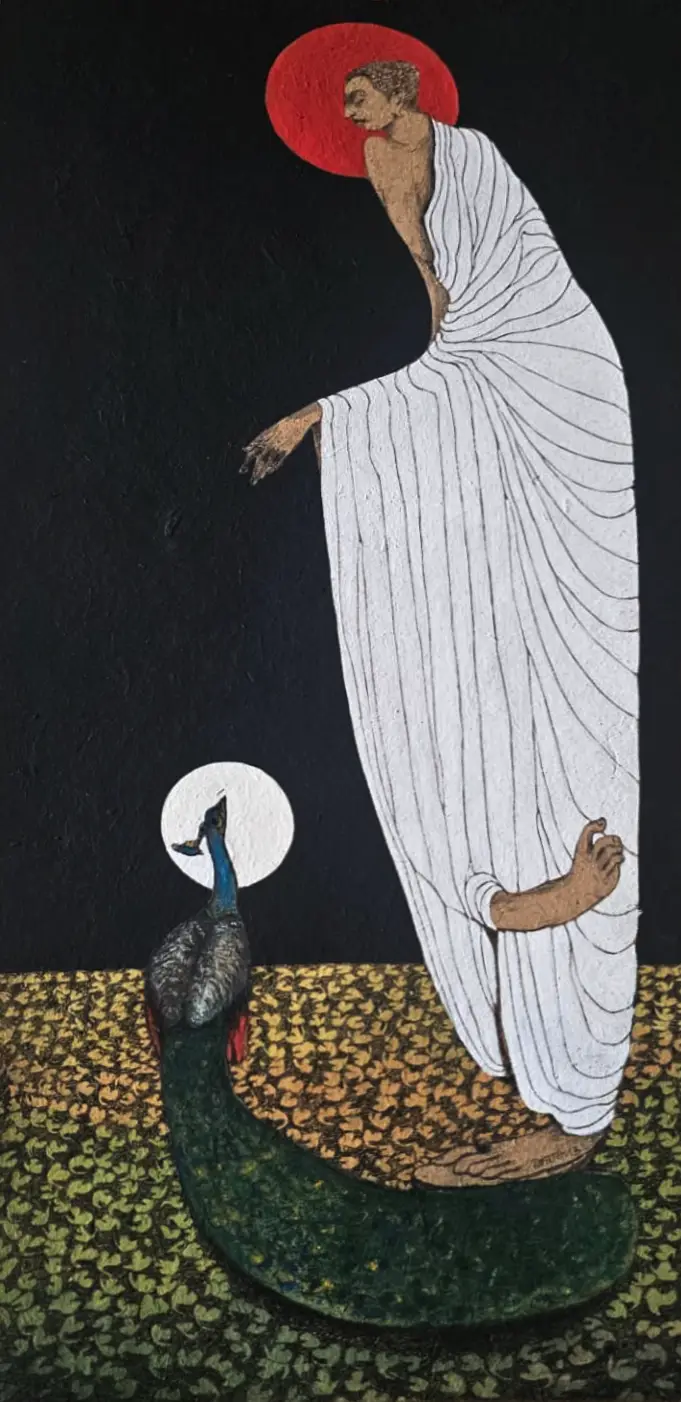
Datta-Bansode-3

(Buddha  | Datta Bansode | Mixed media on paper | 10 X 20 inches)

Why the Importance of Negative Space in Art Cannot Be Overlooked

Negative space is not just about aesthetics; it’s crucial to art. It affects the viewers’ impression of a painting and aids in the expression of ideas by the artist.

Well-planned composition applies empty space to reduce visual clutter, create emphasis, and establish movement. It also offers the chance to rest from the immediate action of eye movement to the primary subject. This is because simplicity helps in making the artworks evoke emotions better than when the artwork is busy. For this reason, many minimalistic artworks rely heavily on the negative space.

Negative space plays a very important role in creating feelings of tranquility, mystery, elegance, and even loneliness in different pieces of art of the past and of the present day. The importance of negative space in art is seen in that artists use negative space to express their feelings and harmony through art.

How Negative Space in Art Composition Creates Balance

Composition will allow one to know why some works of art look attractive at first glance while others appear untidy and complicated.

Art composition is carried out with regard to the whole area within the picture plane and not just the figure. The empty areas allow space for clarity, enabling the viewer to comprehend the message of the key information conveyed.

Negative space can be used like a tool by artists to:

  • Achieve visual balance between objects
  • Give focus to the main object.
  • Develop perspective and depth. 
  • Add elegance and simplicity to the overall design
  • Improve emotional expression in composition

If these principles are used properly, when using realism or modern art, proper composition ensures that all areas of the painting are taken into consideration rather than concentrating on one area. The painting will be complete, although it may have a lot of the canvas empty.

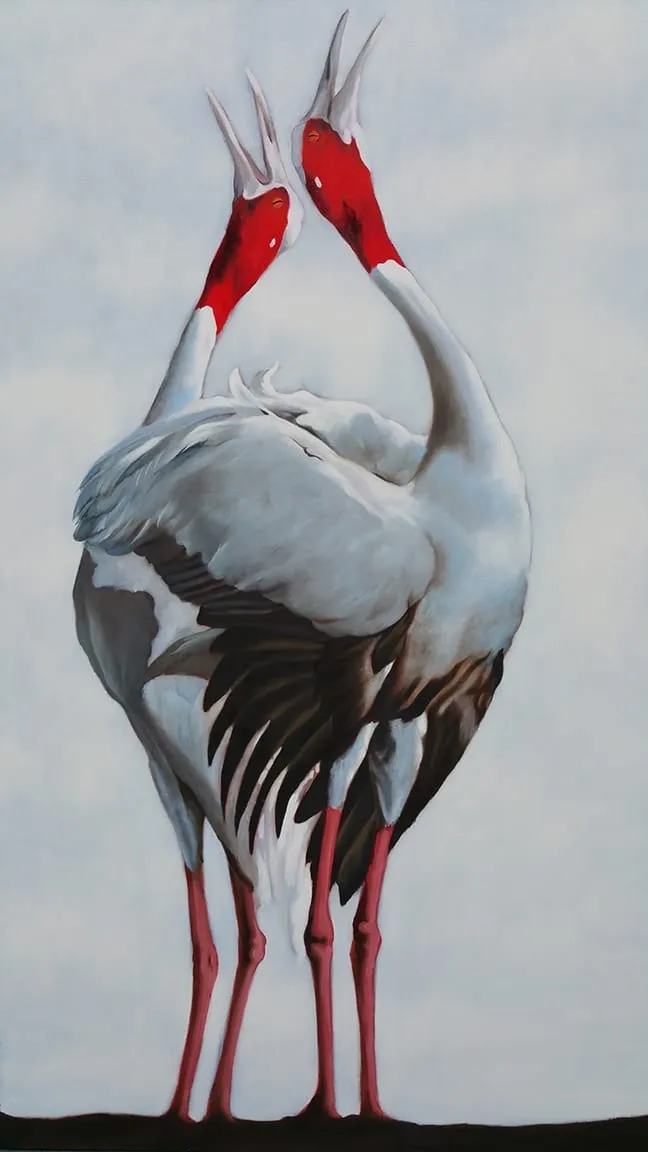
live to love

(Live to Love  | Pradeep Mishra | Oil on canvas | 30 X 60 inches)

Positive and Negative Space in Art: Working Together

It’s easy for the novice to get the idea that positive space is more important than negative space. In truth, there is no positive or negative space in art without the other. One without the other is not possible.

Suppose you sketch a tree. The gaps between the branches also create equally important shapes, as does the positive space of the branches. The adjacent forms create boundaries around the tree and help to clarify its shape visually.

In this way, artists can study both kinds of space, thereby improving their observational skills and creating more accurate drawings. The filled and empty spaces create rhythm and contrast and make the work more visually appealing.

Properly learning some of the Negative Space Drawing Techniques

The Negative space drawing techniques are some of the fastest ways to improve artistic accuracy and composition.

An artist looks at the shapes surrounding the object, not only at the object itself. It helps avoid assumptions and encourages keen observation.

Common techniques include:

  • Imagining the space around things and drawing it first before drawing the object.
  • Reduction of complex forms to simple geometric forms.
  • Analysing the size and angles of areas of emptiness across the composition.
  • Drawing still life arrangements to gain more understanding of proportion and balance.
  • Strong contrast of positive and negative areas to create emphasis.

These exercises help build the muscles of drawing and train the eye to see relationships that are often missed.

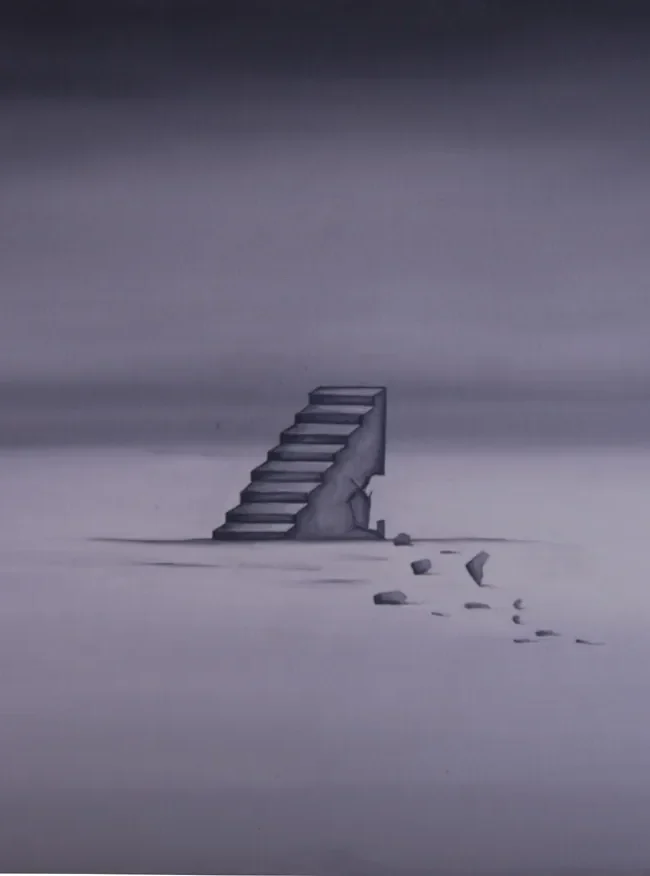
Rahim Mirza 12 by 12 – 3_3_11zon

(Untitled  |  Rahim Mirza | Acrylic on canvas | 12 X 12 inches)

Rahim Mirza

(Untitled  |  Rahim Mirza | Acrylic on canvas | 12 X 12 inches)

Final Thoughts

Understanding this artistic principle is an understanding of the things that are not immediately apparent. Spaces around a subject are never “blank”—spaces determine perception, balance, and emotional response. 

If you’re learning how to draw, creating a collection of original art pieces, or just experimenting with various types of art, taking composition into account can change the way you look at art. Even the blank spots serve a message in art; thus, every spot in the artwork serves a purpose.

From masterpieces of the past to works of art that are more contemporary, knowing negative space in art composition means seeing each piece on a new level. At AIM Gallery, we love artworks in which all of the elements, including the empty space between forms, are part of a meaningful visual narrative. Look through our wide selection and find out how intentional arrangement can create an experience you won’t soon forget.

Frequently Asked Questions (FAQs)

Negative space in art is the area around, between, or within the main subject that helps define its shape and creates balance in the composition.

The importance of negative space in art lies in its ability to improve composition, guide the viewer’s eye, create balance, and strengthen visual impact.

Positive space refers to the subject itself, while negative space is the surrounding area. Together, they create a complete and harmonious composition.

Negative space in art composition prevents overcrowding, creates emphasis, enhances depth, and makes the overall design more visually appealing.

Yes. Negative space drawing techniques help beginners improve observation, proportions, and composition by focusing on surrounding shapes instead of only the subject.