


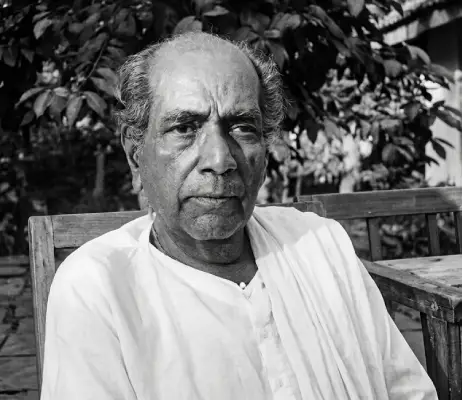
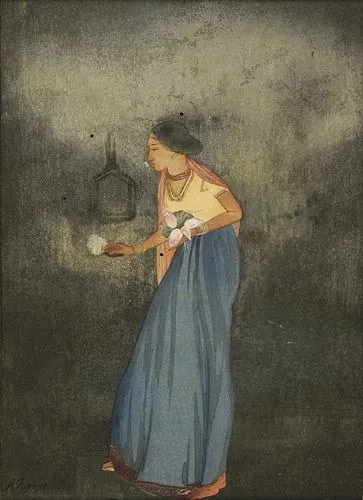
Abanindranath Tagore (1871–1951) was a visionary artist and writer who reshaped the landscape of modern Indian painting. He established the influential Bengal School of Art, introducing Swadeshi ideals to visual culture and challenging the dominance of Western academic realism taught under British rule.
Rooted in a deep appreciation for national heritage, Tagore drew stylistic elements from Mughal and Rajput miniatures as well as the Ajanta murals. His exchanges with Japanese artists like Okakura Kakuzō inspired him to blend Chinese and Japanese calligraphic techniques with his signature watercolor wash style, fostering a pan-Asian aesthetic philosophy. His acclaimed masterpieces include iconic works such as Bharat Mata and the 1930 Arabian Nights series.
A prominent figure of the renowned Tagore family, he mentored legendary painters like Nandalal Bose and eventually became the chancellor of Visva-Bharati University in 1942. Alongside his artistic achievements, Tagore made lasting contributions to Bengali children's literature with beloved classics like Rajkahini and Khirer Putul. His creative endeavors reclaimed India's artistic autonomy, leaving an enduring legacy in Indian art history.